

Tibet
Tibet Trip
Tibet trekking takes you across a landscape unlike anywhere else on earth, a high altitude plateau ringed by some of the tallest mountains on the planet. This is the northern side of Everest, home to ancient monasteries, wide open valleys, and trails that have connected trading communities for centuries. Nepal Summit Treks runs Tibet trekking routes that combine cultural depth with genuine high altitude adventure, from the Everest Base Camp on the Tibetan side to the sacred circuits around Mount Kailash. Every trip is planned around proper acclimatization and local permits, so you can focus on the scenery instead of the paperwork.
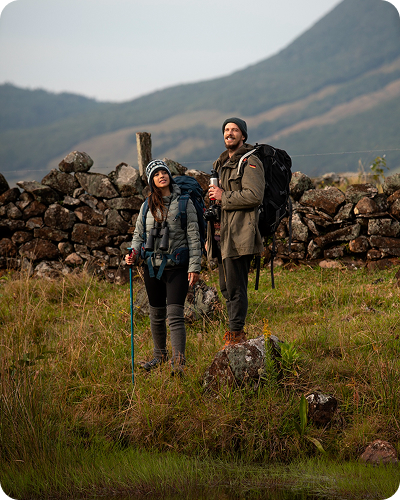
History of the Tibet Region Treks:
Tibet trekking has roots that go back centuries before modern tourism existed, tied closely to religious pilgrimage rather than recreation. Long before trekkers arrived with hiking boots and trail maps, Tibetan Buddhist pilgrims were walking these same paths to reach sacred sites like Mount Kailash, one of the holiest mountains in several religions. That pilgrimage tradition still shapes how Tibet trekking feels today, with prayer flags, chortens, and monasteries marking the trail at nearly every turn.
Modern Tibet trekking opened up gradually as travel restrictions eased, allowing foreign trekkers to experience routes that were once accessible only to pilgrims and traders. The Everest Base Camp Trek from the Tibetan side became one of the most sought after routes, offering a dramatically different perspective of the mountain compared to the Nepal side, with vehicle access to higher base camps and a stark, high desert landscape.
Because Tibet sits at such extreme elevation, most of the region above 4000 meters, Tibet trekking has always demanded careful planning around altitude and permits. Travel here requires coordination with local authorities, and routes are often combined with visits to Lhasa’s historic monasteries and the Potala Palace. This blend of physical challenge, religious history, and dramatic scenery is what continues to draw trekkers who want something beyond a typical mountain hike.