
Good to Know

Arrival City
Kathmandu

Depature City
Kathmandu

Accommodation
Tea House & Hotel

Meals
Included

Trip Grade
Moderate

Maximum Altitude
3,300m/10,827ft

Activity
Trekking
Highlights
- Stay in real village homestays and community eco-lodges, not standard commercial teahouses
- Walk through quiet Gurung and Magar villages that see far fewer trekkers than the main Annapurna routes
- Experience one of the best examples of an Annapurna homestay trek anywhere in Nepal
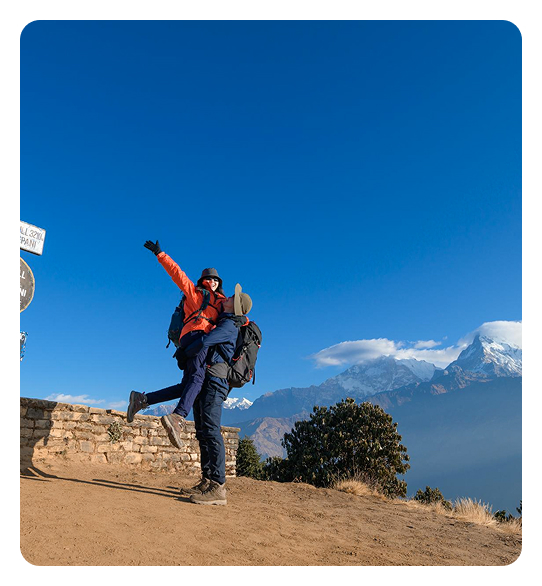
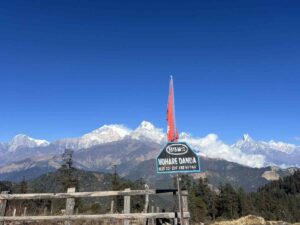
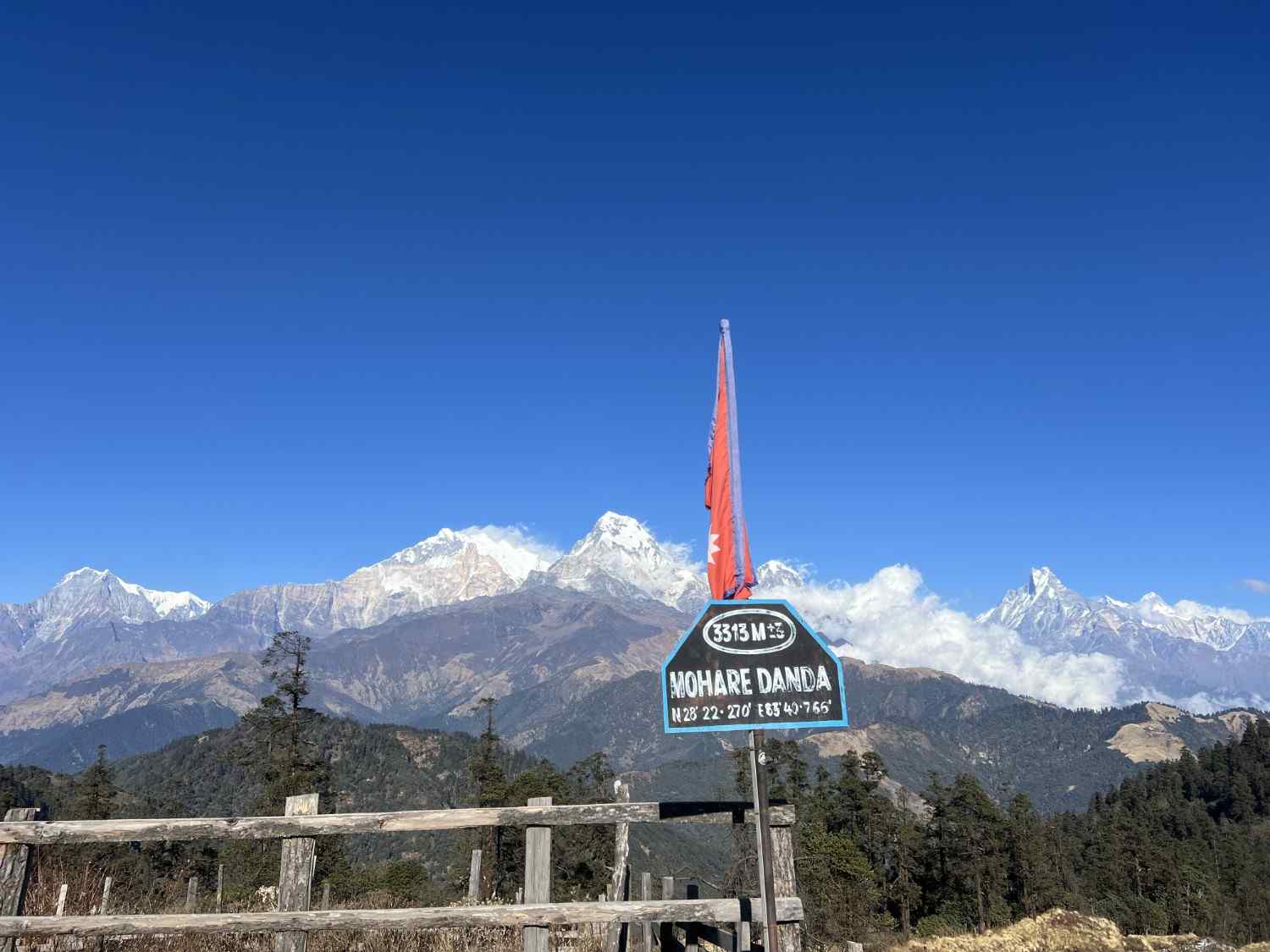
- Enjoy wide mountain views from Mohare Danda without the crowds found on busier trails
- See firsthand how community-run tourism directly supports local families and forest conservation
- A great option if you want genuine cultural contact alongside your mountain views
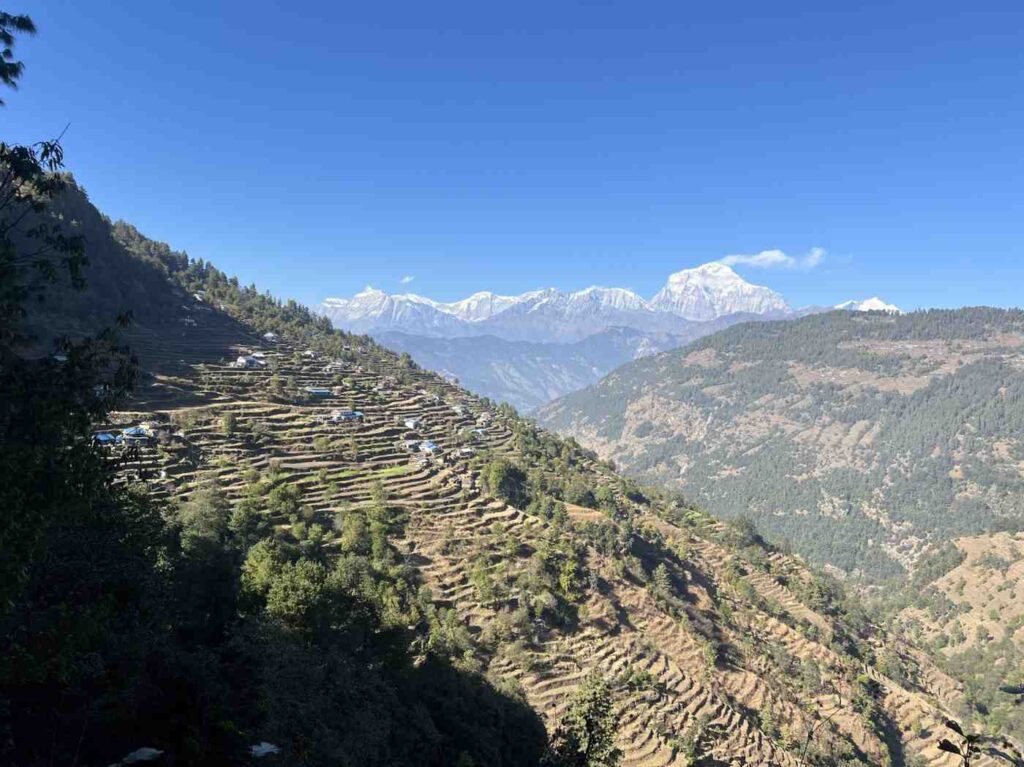
- Explore terraced farmland, forest trails, and small mountain settlements along the way
Overviews
Annapurna Community Trek
A lot of trekkers head to Nepal chasing famous viewpoints and busy teahouse trails, and that is a great experience on its own. But if you have already read about routes like Annapurna Base Camp or Ghorepani Poon Hill, you might be wondering if there is a way to see the Annapurna region without walking the same trail as everyone else.
That is exactly what the Annapurna Community Trek offers. Instead of commercial teahouses lined up one after another, you stay in homestays and community-run eco-lodges, sleeping in the same villages where your hosts actually live. It is one of the more genuine forms of community trek Nepal has to offer, built around real contact with the people who call these hills home.
This trek was developed with local villages directly involved in the planning, meaning the income from trekkers stays closer to the community itself rather than flowing mostly to outside operators. Walking this route is a good example of what Annapurna hiking can look like when tourism is built around the people living in the mountains, not just the mountains themselves.
Whether you are looking for a shorter alternative to the bigger Annapurna routes or you simply want a trip with more cultural depth, the Annapurna Community Trek gives you forest trails, mountain views, and genuine village life, all without needing weeks of vacation time.
History of the Trail
Community lodge trekking in this part of Nepal grew out of a simple idea: let villages run their own guesthouses instead of outside companies controlling all the accommodation along the trail. Profits from these lodges get reinvested into things like schools, healthcare, and forest protection in the surrounding hills.
This model became one of the clearer success stories in sustainable tourism nepal has produced, since it ties trekker spending directly to local wellbeing rather than routing most of the money elsewhere. Villages like Nangi, Mohare, and Tikot built their eco-lodges and homestays specifically around this idea, welcoming trekkers who want a more grounded, community centered experience.
As more people got to know about it, this style of trekking emerged as an alternative to the conventional route that was big and commercial, which suited well those who were already familiar with Nepal.
Landscape and Culture
The track passes through traditional Annapurna hill landscapes of cultivated lands, forests, and stone villages joined by tracks. Since the hike maintains its lower altitude in comparison to other treks such as Annapurna Base Camp Trek, you can enjoy an easy walk without losing the mountain setting.
Magar families make up most of the rural mountain villages along this trek, and many of them run the homestays and eco-lodges you will sleep in each night. This is a completely different kind of contact than a quick stop at a village like Ghandruk since here you are actually living alongside a family rather than passing through on a busier main trail.
You will have friendly people, home-cooked food, and good chats if you want to interact with them. The hosts are generally willing to share information about farming, festivals, and everyday life in the mountains.
Best Time to Trek
The months from March to May and September to November provide the most clear skies and pleasant walking weather for this annapurna short trek. Rhododendrons are in flower during spring in the low regions of the trail.
Due to the fact that this trail route maintains a low altitude compared to other Annapurna treks, this trek is feasible even during winter. Monsoon season involves rain and leeches in the low trail areas and thus should be avoided.
Weather and Foothill Elevation
As the highest point on the trip is Mohare Danda with an altitude of about 3,300m, the weather is considerably warmer compared to other treks such as the Annapurna Base Camp and Annapurna Circuit trek, which involve high altitudes. The days are warm for hiking, but it gets cold at night.
This makes the Annapurna foothills trek a solid option for travelers who want real mountain scenery without dealing with the more extreme cold found on higher altitude treks.
Food, Water, Wi-Fi, and Accommodation
Accommodation is a combination of home stays and eco lodges run by locals, providing you with a much friendlier and more personal experience than regular teahouses. Accommodation rooms are basic, usually shared with one other person, and have a bathroom that is shared in almost all villages.
Dinner meals will be home-cooked, made from the vegetables and grains that grow locally in the village. The food will remain mostly dal bhat, as well as vegetables, bread, and some morning food such as eggs and porridge.
Boiled water is provided in each village, so it would be wise to pack a water bottle and water purification tablets to avoid single-use bottles and stay eco-friendly. WIFI will be available in smaller numbers in these villages than on treks such as Annapurna Base Camp.
Permits
An Annapurna Conservation Area permit and a TIMS card are required for this trek. This is a requirement for all treks within the Annapurna Conservation Area and is normally sorted out by your trekking agency before you start your trek.
Outline Itinerary
Day 1
Upon reaching Tribhuvan International Airport, we shall be received by our representative and taken to the hotel in Kathmandu for registration and check-in. The balance of the day is yours to leisurely acclimatize yourself following the long flight, or explore the local surroundings at your own pace. In the evening, there will be a short briefing on your trekking program. Accommodation in hotel.
Day 2
Following breakfast, drive to Galeshwar where your trek starts. This trek involves climbing up to various forest areas, agricultural fields and traditional Magar village settlements while there are some Brahmin and Chhetri settlements en route. Prior to entering Baskharka, there is the visit to the largest orange orchard in the entire region. Trek further in the countryside area before you reach Baskharka. Stay overnight in a homestay facility. Overnight stay in a homestay.
Day 3
Post-breakfast, take a drive from Kathmandu to Pokhara in a tourist vehicle. This journey involves six to seven hours of driving on the road flanked by river banks and terraced hillside villages. You get to enjoy different landscapes as you travel to this famous destination in Nepal. After checking into your hotel, spend the evening as per your own choice. Overnight stay in a hotel.
Day 4
After breakfast, drive to Galeshwar and start your trekking journey there. You will trek through forests, farms, and villages, giving you an opportunity to have a pleasant beginning for your trekking experience in community trekking routes. While trekking, you will have an experience of the lifestyle of the local people living here. You will reach Baskharka and spend the night at a comfortable homestay. Stay overnight at a homestay.
Day 5
This day’s trekking experience will take you through forests, farms, and villages to reach Nangi. This is a very famous village for the eco-lodge initiative project by the local community. You will get a chance to see the natural beauty of the hills during this trekking and interact with the local communities. Stay overnight at a community eco-lodge.
Day 6
Proceed on your hike towards Mohare which is the highest point on this trek route. The journey takes you through serene forests before you reach breathtaking panoramic views of the Annapurna and Dhaulagiri mountain ranges. Relax and take in the views and peaceful surroundings at this viewpoint. Rest for the night in a community eco-lodge amidst nature. Overnight stay in a community eco-lodge.
Day 7
Start your downward journey through the forests and serene hilly landscapes towards the village of Tikot. The route will be an enjoyable one that will treat you to some beautiful scenery and views. The region’s warm people and tranquil environment will keep accompanying you along this route too. Overnight at a homestay.
Day 8
Complete the final section of your trek with a pleasant walk to Baiseri. From the roadhead, drive back to Pokhara while enjoying views of the surrounding countryside. After checking into your hotel, the remainder of the day is free to relax or explore the Lakeside area. Celebrate the successful completion of your Annapurna Community Trek. Overnight at a hotel.
Day 9
After breakfast, return to Kathmandu by tourist vehicle. The drive follows scenic highways with views of rivers, hills, and traditional villages along the way. Upon arrival, check into your hotel and enjoy free time for shopping, sightseeing, or relaxing. Spend your final evening reflecting on your community trekking experience. Overnight at a hotel.
Day 10
After breakfast, go on to Tribhuvan International Airport for the onward flight. At the end of the Annapurna Community Trek, you will have lots of memories of the beautiful mountain views, friendly people, and culture of Nepal. We hope to see you again on some other Himalayan trek. Safe travels.
The Trip Cost Includes
- Guide and porter with insurance
- All ground transportation mentioned in the itinerary
- Annapurna Conservation Area permit and TIMS card
- Homestay and community eco-lodge accommodation during the trek
- All meals during the trek
- Hotel accommodation in Kathmandu and Pokhara with breakfast
- Trekking route map and duffel bag use
Note: Exact costs for this Annapurna trek tour are shared separately based on group size and season, since this section focuses on what is covered rather than pricing.
The Trip Cost Excludes
- International airfare
- Nepal entry visa fee
- Travel and medical insurance
- Personal expenses like snacks, drinks, and hot showers
- Tips for guide, porter, and driver
- Wifi where not included by the homestay
Add-ons and Options
Shape this trip around your own comfort level with a few simple add-ons.
- Extra Night in Kathmandu or Pokhara: Add rest time before or after the trek
- Private Room Upgrade: Enjoy more privacy where available in select villages
- Flight Upgrade: Fly between Kathmandu and Pokhara instead of driving to save time
How to Customize Your Trip
Step 1: Choose your preferred departure date
Step 2: Enter the number of travelers
Step 3: Select your preferred add-ons
Step 4: Confirm accommodation and meal preferences
Step 5: Complete your booking
It is such flexibility that helps you design your Annapurna Community Lodge Trek according to your convenience rather than in a rigid mold.
Trek Gallery






Trek Essentials
- Sun Hat
- Warm Beanie
- Sunglasses With UV Protection
- Base Layer
- Fleece Jacket
- Light Down Jacket
- Windproof Outer Shell
- Lightweight Gloves
- Trekking Pants
- Thermal Leggings For Cooler Evenings
- Trekking Boots
- Wool Socks
- Camp Shoes
- Sunscreen
- Lip Balm
- Wet Wipes
- Hand Sanitizer
- Daypack
- Duffel Bag
- Trekking Poles
- Headlamp
- Power Bank
- Water Bottle With Purification Tablets