
Good to Know

Arrival City
Kathmandu

Depature City
Kathmandu

Accommodation
Tea House & Hotel

Meals
Included

Trip Grade
Moderate to Challenging

Maximum Altitude
4,500m/14,763ft

Activity
Trekking
Highlights
- Reach the Mardi Himal viewpoint and base camp, one of the quietest high altitude spots in the Annapurna region
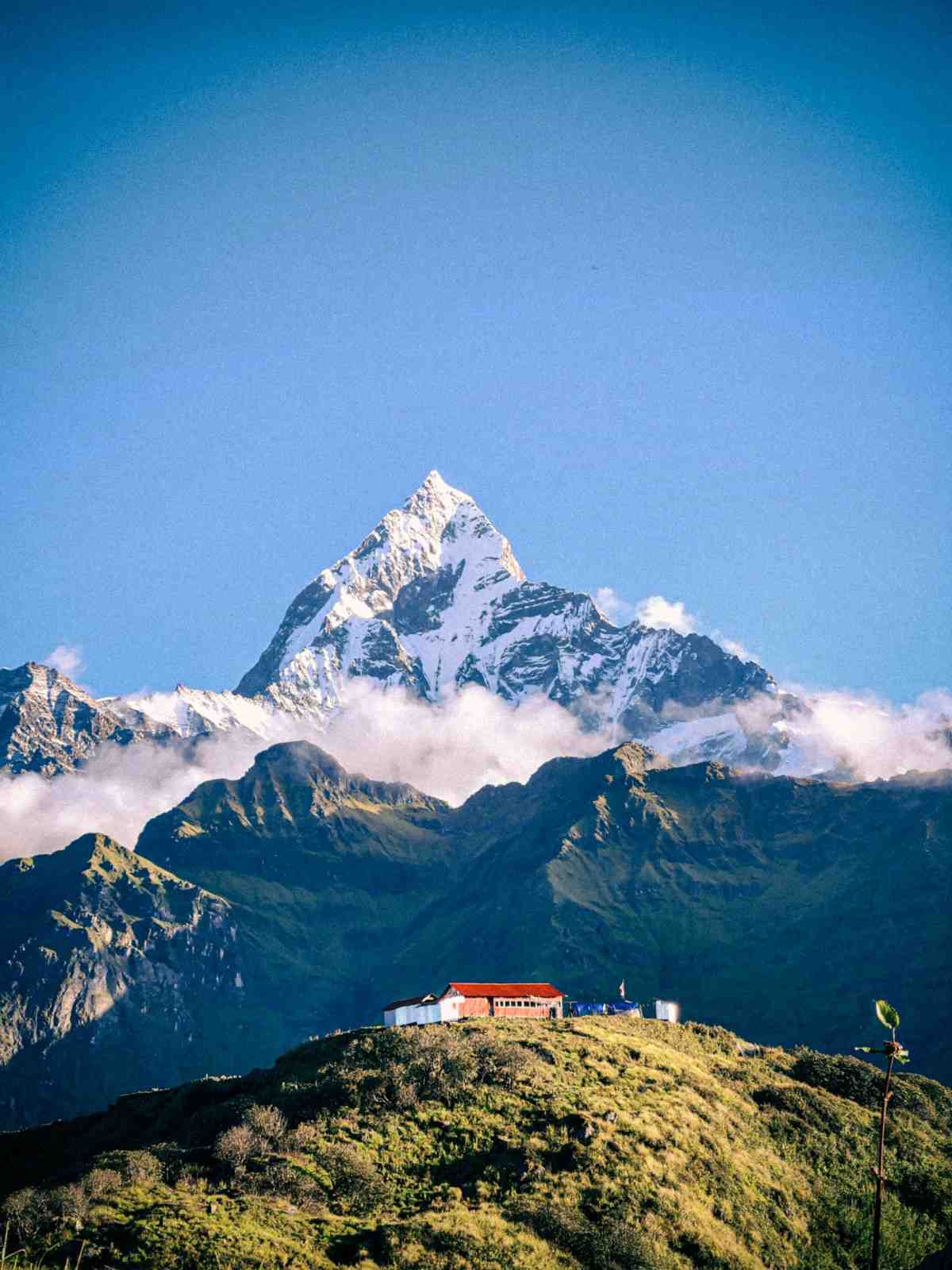
- Enjoy close up views of Machhapuchhre, Annapurna South, and Hiunchuli without the crowds found on busier routes
- Walk through Gurung villages that still carry a strong sense of tradition and hospitality
- Pass through blooming rhododendron forest, especially vivid during spring
- One of the shortest ways to reach genuine high altitude scenery in the whole annapurna trekking region
- Rest and relax by Phewa Lake in Pokhara before and after the trek
- Ideal for trekkers with limited time who still want a real Himalayan experience
Overviews
The majority of trekking enthusiasts doing research on Nepal come across a problem where they have to either take up a very easy trek that is not too long and offers mediocre views or take a more difficult journey that will take around two to three weeks.
The Mardi Himal Trek exists precisely to close that gap. It is short enough to fit into a ten day trip, yet it still climbs high enough to deliver close up views of Machhapuchhre, Annapurna South, and Hiunchuli that rival routes taking twice as long. Because it sits just south of the far more crowded Annapurna Base Camp trail, most of the walk stays quiet, even during peak trekking months.
This mardi himal trek package is built for people who want a complete, satisfying trek without a huge time commitment. You will pass through rhododendron forest, quiet Gurung villages, and a series of ridge top camps before reaching the viewpoint and base camp itself, all while enjoying one of the more peaceful trails anywhere in the annapurna trekking region.
Whether this is your first Himalayan trek or your fifth, the Mardi Himal Trek gives you a genuine mountain experience packed into a manageable window, without asking you to sacrifice comfort, safety, or scenery along the way.
History of the Region
Compared to older, more established routes, this trail only opened to trekkers in the early 2010s, which is part of why it still feels fresh and uncrowded. Before that, the trail was mostly used by locals moving between forest and pasture, rather than by trekking groups.
Since opening, it has quickly become one of the more popular short options in the annapurna trekking region, especially for travelers who want strong mountain views without the longer commitment of routes like Annapurna Base Camp or the Annapurna Circuit. Gurung communities living in nearby villages have been part of this growth, running the teahouses and guesthouses that now line the trail.
Landscape and Culture
The trail moves through a genuinely varied landscape in a short distance. Lower sections pass through farmland and forest, climbing steadily into thick rhododendron woodland that turns bright red and pink each spring. Above the tree line, the trail opens onto narrow ridgelines with wide views in every direction.
Gurung villages along the lower part of the route offer a real look at local life, with stone houses, small farms, and warm hospitality. Higher up, the trail is quieter still, with just a handful of teahouses serving trekkers making their way toward the viewpoint and base camp.
Best Time for the Mardi Himal Trek
Spring: March to May; Fall: September to November mark the best time for this trek. Clear skies during these months make the close up mountain views the trail is known for even more rewarding, and the rhododendron bloom in spring adds extra color to the lower forest sections.
Winter trekking is possible with fewer trekkers but with colder weather conditions and possibility of snowfall at topmost campsites; thus, proper equipment is a must. On the other hand, monsoons should be avoided in this route since rainfall is expected during this period.
Weather and Temperature
However, there are some variations of temperature depending on the height of the mountain. Lower villages remain cool throughout the year, whereas temperatures tend to become cooler the higher you go to High Camp and Point. Winds will also be more frequent as you rise above the tree line, so expect temperatures to be even cooler than what is shown on the thermometer.
As such, carrying the right clothing becomes crucial here as much as on higher expeditions.
Food, Water, Wifi and Accommodation
Accommodation during the journey will comprise simple teahouse-style lodging with rooms that have two beds and shared toilets, mostly in the high-altitude campsites. Lower altitude villages may provide somewhat improved accommodation.
Food will include typical fare, such as dal bhat, noodles, soups, momos, and other basic meals, including breakfast, which will consist of porridge and eggs. Meals are plentiful in size to keep up with the climbing.
Water is available everywhere we go; either through boiling at the lodges, or by refilling our bottles, so it is best to bring a reusable bottle along with some purification tablets. WiFi is available at the majority of teahouses on the way, with a small charge, but weather may affect connectivity in the high camps.
Permits
Both the Annapurna Conservation Area Permit, or ACAP permit, as well as the TIMS card are needed to undertake this trek. These are the standard prerequisites and usually obtained by the trekking agency before you embark on the trip.
Outline Itinerary
Day 1
On arrival at Tribhuvan International Airport, you will be met by our representative and transferred to your hotel in Kathmandu. After completing the check-in process, the remaining part of the day is at your disposal. Spend the day as per your convenience while recovering from your journey as well as preparing yourself for the forthcoming trekking expedition. There will be a brief session on the trek later in the evening. Accommodation at hotel.
Day 2
Post breakfast, drive to Pokhara on a 7 to 8 hour journey via tourist bus. The drive includes riverine terrain, hilly landscape, picturesque village life, and roadside towns. Continue enjoying the varied scenery as you make your way towards the Annapurna region. On arrival, check into your hotel and spend the rest of the day at leisure. Accommodation at hotel.
Day 3
After reaching Kande by car, start your trekking through the forest and traditional village of the mountains. The trek path goes through the forest with gradual climb along with picturesque views of the hills and valleys around you. When reaching the Australian Base Camp, you will have an incredible view of the peaks of Annapurna South, Machhapuchhre, Hiunchuli, and others. This place provides an ideal start for your trekking. Over-night stay at the guest house.
Day 4
The trekking path today takes you through the oak and rhododendron forest giving a very calm walk. The trek path is full of birds which provide you an amazing experience in the nature. The forest gets quiet as the altitude increases. Arrive at Forest Camp and enjoy the peaceful surrounding. Over-night stay at the guest house.
Day 5
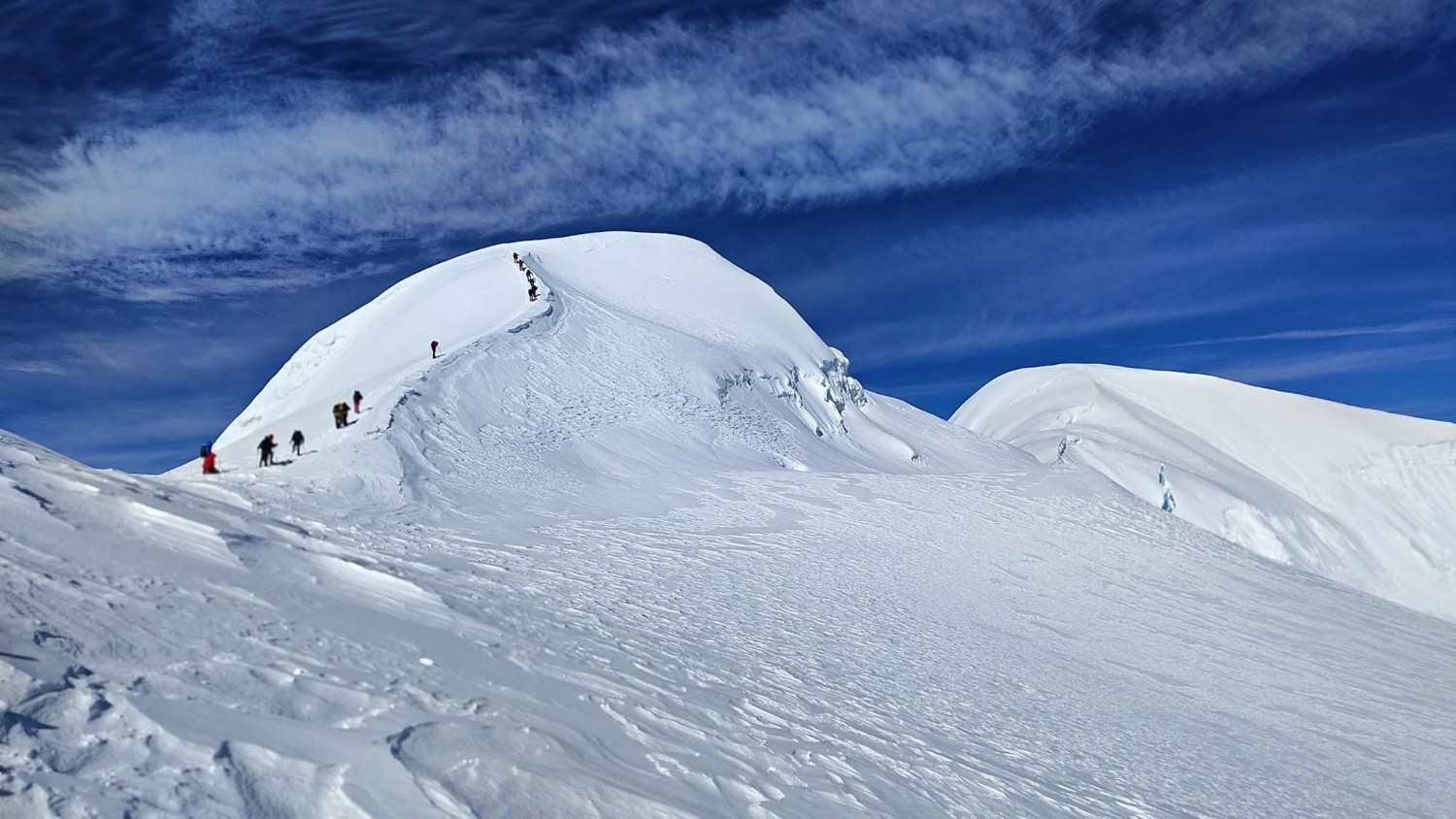
Keep going up through alpine terrain where the forest will eventually be replaced by the ridges. With each passing moment, the views will get more and more breathtaking as you see snow-capped Annapurna range. The cooling temperature and fresh mountain air mean that you have arrived at higher altitudes. Arrive at High Camp and see a magnificent Himalayan sunset provided that the weather is clear. Overnight in a guesthouse.
Day 6
Depart from the camp early in order to walk up to the viewpoint or base camp, which will be the main attraction of the trek. There will be a beautiful view of Machhapuchhre, Annapurna South, Hiunchuli and Himalayan ranges. Spend some time admiring the magnificent views, then make your way back down to Low Camp.
Day 7
Make your way down through the beautiful forest and traditional villages to the quaint little town of Landruk. Enjoy the varying landscape since you will be descending into the lower altitudes from the alpine heights. Landruk is a very quaint Gurung village famous for its warm people and culture.
Day 8
Get to enjoy a short descent walk to Syauli Bazaar where your trekking adventure ends. Return to Pokhara by road through beautiful rural areas. Check into the hotel for an overnight stay. The day will be spent relaxing after an excellent trekking experience on Mardi Himal Trek. Overnight at a hotel.
Day 9
Following Breakfast, you’ll return to Kathmandu on Tourist Bus that will take approximately 7 to 8 hours passing through rivers, hills, and villages en route. On reaching there, you can settle down in your hotel room and spend some time at leisure if you wish. Today, have a farewell dinner which will be the last evening of your experience in the Himalayas.
Day 10
After Breakfast, transfer to Tribhuvan International Airport according to your flight schedule. Now that your Mardi Himal Trek is over, carry the precious memories of the mountains and forests of Nepal in your heart. We hope you enjoyed each moment of your trip and we will welcome you once again.
The Trip Cost Includes
- Guide and porter with insurance
- All ground transportation mentioned in the itinerary
- ACAP permit and TIMS card
- Teahouse accommodation during the trek
- All meals during the trek
- Hotel accommodation in Kathmandu and Pokhara with breakfast
- Trekking route map and duffel bag use
Note: Exact Mardi Himal trek cost figures are shared separately based on group size and season, since this section focuses on what is covered rather than pricing.
The Trip Cost Excludes
- International airfare
- Nepal entry visa fee
- Travel and medical insurance
- Personal expenses like snacks, drinks, and hot showers
- Tips for the guide, porter, and driver
Add-ons and Options
Shape this Mardi Himal trek from Kathmandu around your own comfort level with a few simple add-ons.
- Extra Night in Kathmandu or Pokhara: Add rest time before or after the trek
- Private Room Upgrade: Enjoy more privacy where available along the route
- Flight Upgrade: Fly between Kathmandu and Pokhara instead of driving to save time
How to Customize Your Trip
Step 1: Choose your preferred departure date
Step 2: Enter the number of travelers
Step 3: Select your preferred add-ons
Step 4: Confirm accommodation and meal preferences
Step 5: Complete your booking
This kind of flexibility is what makes a Mardi Himal trek package worth booking through a trusted agency. Your trip gets shaped around your schedule and comfort, not a rigid, one-size-fits-all format.
Trek Gallery
Trek Essentials
- Sun Hat
- Warm Beanie
- Sunglasses With UV Protection
- Base Layer
- Fleece Jacket
- Down Jacket
- Windproof Outer Shell
- Lightweight Gloves
- Warm Insulated Gloves
- Trekking Pants
- Thermal Leggings
- Waterproof Shell Pants
- Trekking Boots
- Wool Socks
- Camp Shoes
- Sunscreen
- Lip Balm
- Wet Wipes
- Hand Sanitizer
- Daypack
- Duffel Bag
- Dry Bags
- Trekking Poles
- Headlamp
- Power Bank
- Water Bottle With Purification Tablets