Good to Know

Arrival City
Kathmandu

Depature City
Kathmandu

Accommodation
Tea House & Hotel

Meals
Included

Trip Grade
Challenging

Maximum Altitude
5,416m/17,769ft

Activity
Trekking
Highlights
- Cross Thorong La Pass, one of the highest trekking passes in the world
- Walk one of the most complete circuits in the Annapurna region, from lowland villages to high alpine desert
- Rest and explore Manang, a lively mountain village full of character
- Receive blessings at the sacred Muktinath Temple, holy to both Hindus and Buddhists
- Follow the Kali Gandaki, the deepest gorge on the planet
- Soak tired legs in the natural hot springs at Tatopani
- Catch a sunrise from Poon Hill with Annapurna and Dhaulagiri lit up in gold
- Pass through Gurung, Manangi, and Thakali villages, each with its own culture and rhythm
- Experience nearly every landscape Nepal has to offer on a single trek
Overviews
Annapurna Circuit Trek, 15 Days
If you have looked into a few treks in Nepal, you have probably noticed most of them follow one valley up and back down again. That works fine, but it also means you only see one slice of the country, one type of forest, one kind of village, one mountain range from one angle.
The Annapurna Circuit Trek does something different. Instead of an out and back route, it takes you in a full loop around the Annapurna massif, climbing from warm lowland villages through pine forest, over a high mountain pass, and down into a completely different landscape on the other side. Few treks anywhere in the world offer this much variety in a single trip.
This annapurna circuit trek package is built for travelers who want the complete Himalayan story, not just one chapter of it. You will walk through Gurung villages, rest in the lively town of Manang, cross Thorong La Pass at over 5,000 meters, and descend into the dry valleys near Muktinath before finishing with a sunrise hike at Poon Hill. It is one of the most talked about routes in annapurna circuit trekking for a reason.
Whether you already have some trekking experience or you are working toward your first big Himalayan trip, the Annapurna Circuit Trek rewards preparation with one of the widest ranges of scenery and culture you will find anywhere in Nepal.
History of the Region
The route that you will take today was used by ancient traders who traveled between Tibet, Manang, and the lowland regions of Nepal. The exchange of salt, wool, and grains occurred via these routes before trekking ever came into being, and most of the towns that you will visit, such as Chame, Pisang, and Manang, have grown because of these trades.
Manang in particular developed a distinct identity of its own. Traders from this valley historically held special trading rights that took them as far as Tibet and India, which explains why the village today feels more prosperous and worldly than many other mountain settlements in this around annapurna trek region.
Since the establishment of Annapurna Conservation Area in order to conserve the entire region, the trekking route is managed by this body, taking into consideration tourism, conservation of forests and wildlife as well as preserving the way of life of the communities inhabiting the area.
Landscape and Culture
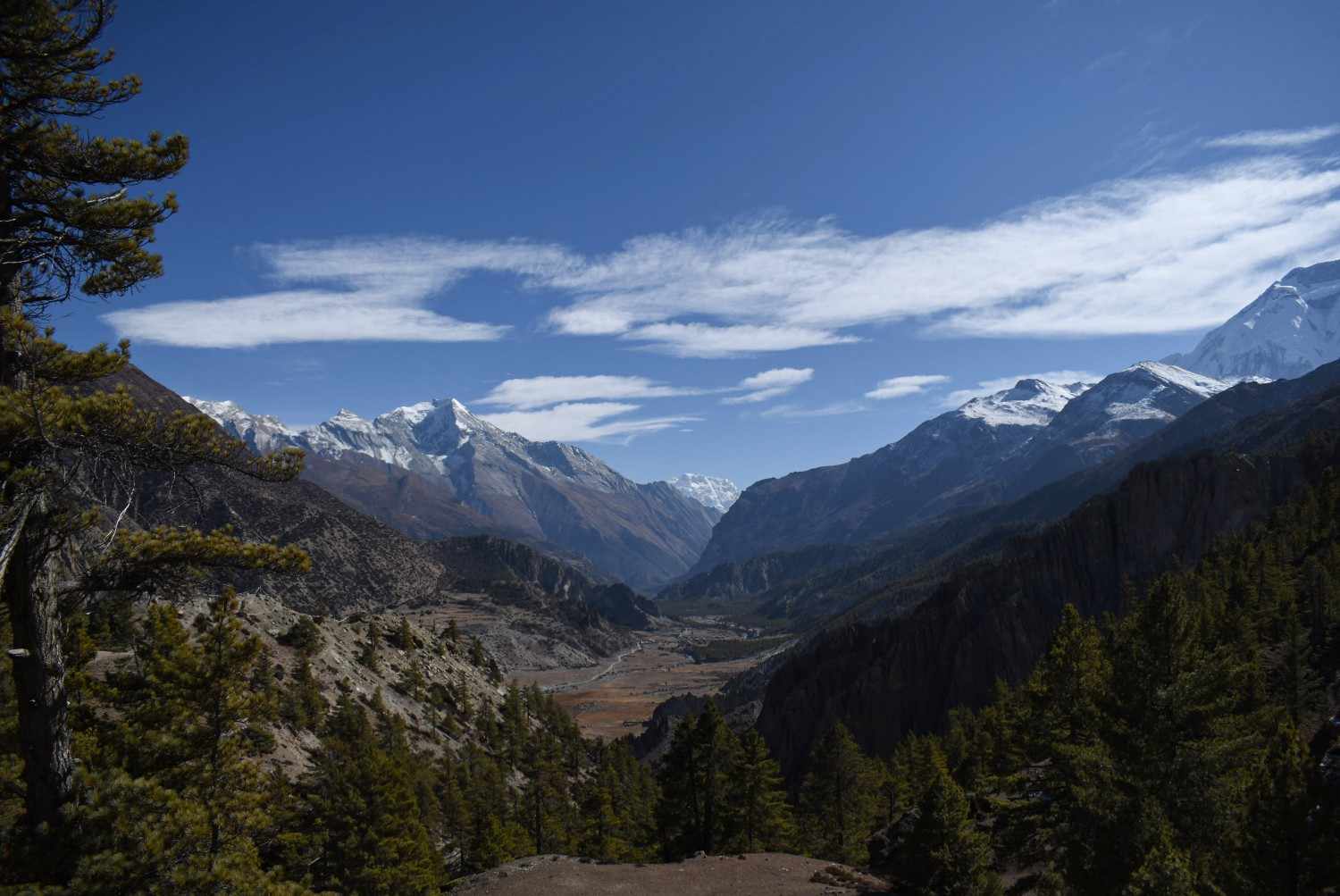
Few routes in Nepal shift scenery as dramatically as this one. You begin in green, terraced hillsides, climb into pine and rhododendron forest, and by the time you reach Manang, the landscape has turned into high altitude desert, dry and wind carved, more Tibetan plateau than tropical Nepal.
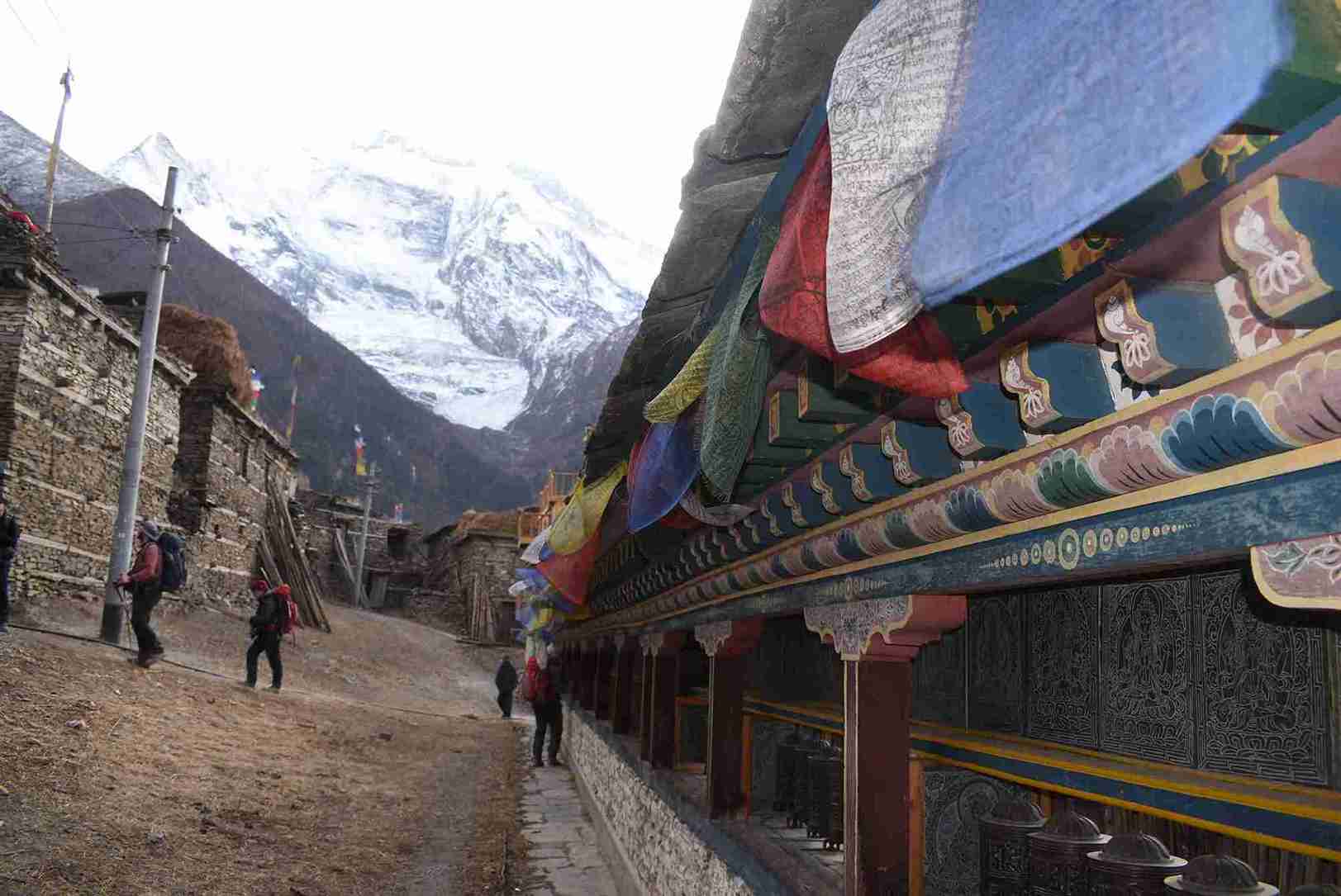
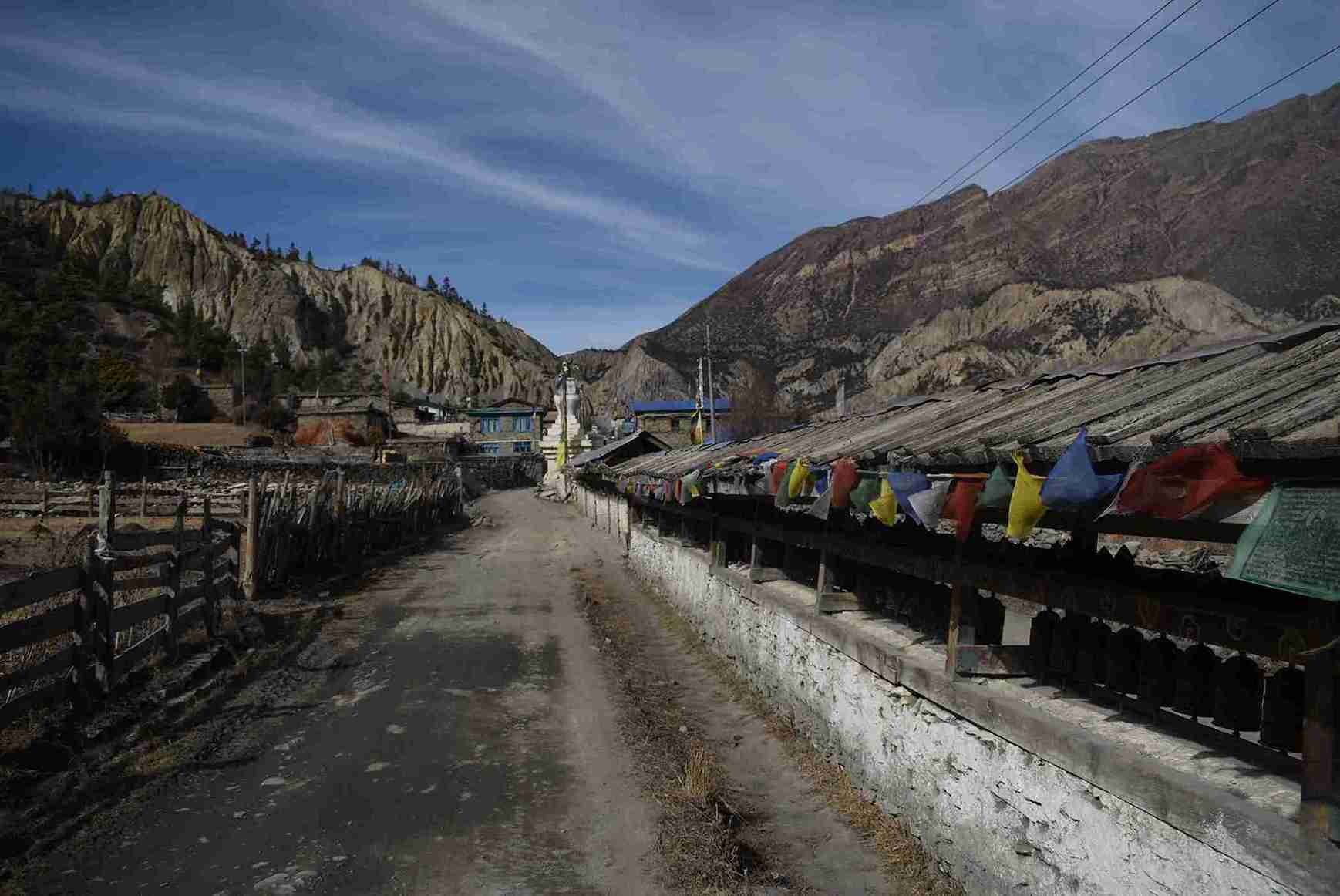
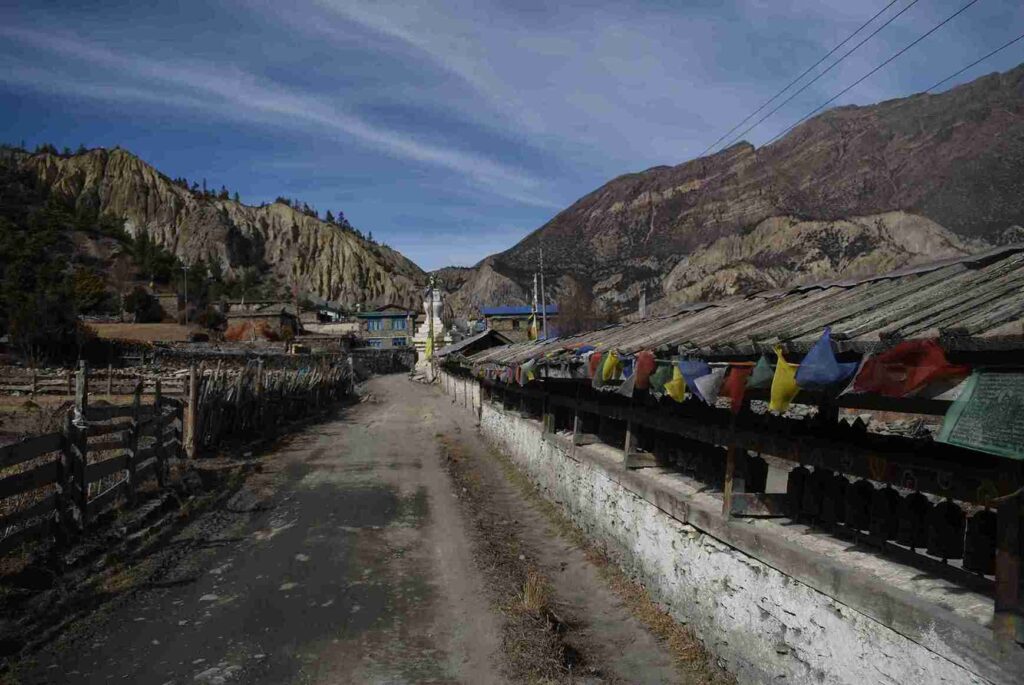
The culture changes equally as well. The lower villages belong to Gurungs and Magars, but the upper valley around Manang and beyond has been heavily influenced by Tibetan Buddhism, which is evident in the mani walls, prayer wheels, and chortens along the way. Further up the trail live Thakali people, famous for their hospitality and style of cooking in teahouses.
This kind of shifting scenery and culture is exactly what draws people to annapurna circuit hiking tour options over shorter, single valley treks. Every few days, the trail hands you something completely new.
Best Season for the Annapurna Circuit Trek
Spring, from March to May, and autumn, from late September to November, are the best windows for this annapurna circuit trek 15 days itinerary. Skies are generally clear, temperatures are manageable, and Thorong La Pass is at its most stable during these months.
Winter trekking is possible for experienced trekkers, though the pass can close temporarily after heavy snowfall. Monsoon season brings rain and leeches to the lower sections, though the trail beyond Manang, sitting in a partial rain shadow, tends to stay drier than you would expect for that time of year.
Weather and Temperature
Weather on this annapurna circuit trek 15 days route changes constantly with altitude. Lower villages stay mild and comfortable for most of the year, while temperatures drop sharply as you climb toward Manang and beyond, with cold mornings and nights becoming the norm above 3,000m.
The wind is a very important element at Thorong La Pass, particularly in the early afternoon. This is the reason why most trekkers cross the pass early in the morning when things are a bit more quiet. Sun is another aspect that one needs to consider when trekking at high altitudes.
Food, Water, Wifi and Accommodation
The accommodation on the trek is in teahouse type, with basic accommodation having twin-share rooms with shared bathrooms, while those on the lower level, such as Chame and Pisang, can be relatively comfortable, even having attached bathrooms.
Meals lean heavily on dal bhat, along with noodle soups, momos, and simple breakfast options like porridge and eggs. Thakali run teahouses in particular are known for serving some of the best versions of dal bhat on the whole route.
It is possible to get drinking water everywhere, boiled or at refill points, which makes it sensible to carry a refillable bottle along with purification tablets. You can get WiFi in all the villages up to Manang for a reasonable cost; however, after Yak Kharka, the WiFi will not work properly as you reach the pass point. Having a SIM card would help but it won’t solve the problem of no WiFi access entirely.
Permits
The Annapurna Conservation Area Permit or ACAP and the TIMS Card will be required for this trek. These are basic necessities and are generally taken care of by your trekking company before you leave, so that things don’t become complicated for you.
Outline Itinerary
Day 1
Your Annapurna Circuit trek begins the moment you land in Kathmandu, where our representative will meet you and take care of the transfer to your hotel. The rest of the day is free, giving you time to rest after your flight or take a short walk around before the trip officially begins. Since Kathmandu sits well below the altitudes you’ll be reaching later in the trek, this is a good time to relax and let your body settle before the days of walking ahead.
Day 2
Today’s activity will include a long drive from Kathmandu that passes by river valleys and hillside roads for most part of the trip. Normally, there is a changeover point in Besisahar where you leave the big bus and switch to a jeep for driving on the bumpy hill roads towards Dharapani. This day of driving familiarizes you gradually to the environment that you are going to experience during the trekking days ahead.
Day 3
Today is your first proper trekking day starting with the hike through forest trails and villages and following the path along the Marshyangdi River. This is a fairly easy hike introducing you to the trail. You’ll be walking through the forest and climbing a bit until reaching Chame, which is the district headquarters of Manang district. It is also the largest village that you pass on the way, providing more amenities compared to others.
Day 4
Today’s trek will take you through apple orchards and pine forests, with an opening up of the landscape as we move forward. One of the most significant attractions for the day is the sheer rock face of Paungda Danda, which is a curved stone wall that dominates the landscape and is held sacred according to local belief systems. Today’s trek is moderate, with Pisang village marking the change in the landscape with the Tibetan influence on the dry highlands becoming more apparent than the green valleys below.
Day 5
From Pisang, trekkers typically have a choice between a lower and upper trail, and this itinerary takes the quieter upper route through Ngawal. This path passes through small Tibetan influenced villages and offers wide, sweeping views back down the valley you’ve been climbing through. The upper trail sees noticeably less foot traffic than the lower route, making it a good choice for trekkers who want a more peaceful walking experience along with strong mountain views.
Day 6
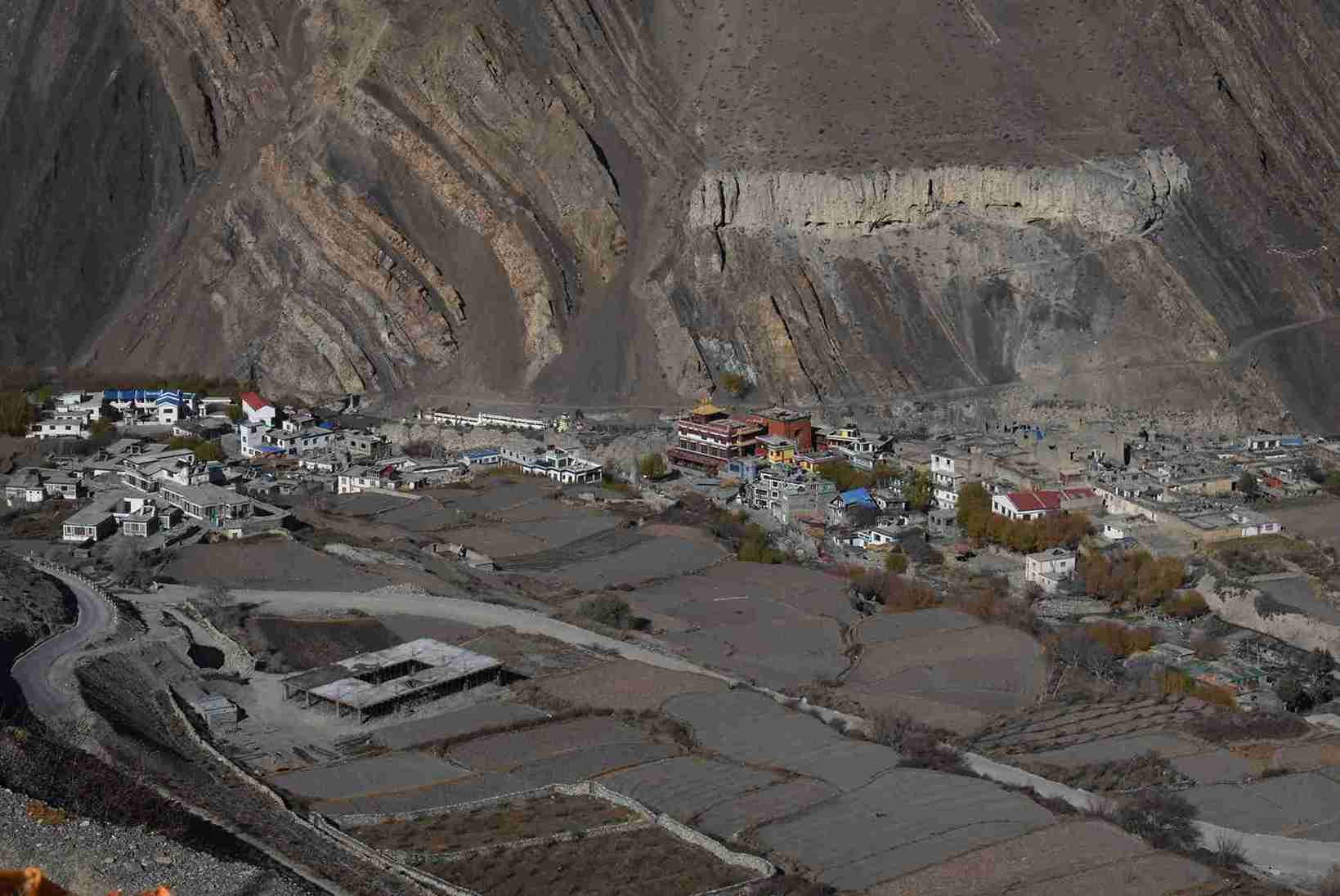
Today’s trek continues through forest and past long stretches of mani walls, the stone structures carved with Buddhist prayers that are common throughout the region, before arriving in Manang. Manang is one of the liveliest villages along the entire circuit, historically serving as an important trading post between Tibet and the lowlands of Nepal. With bakeries, shops, and a good range of guesthouses, it’s a comfortable place to spend the next two nights, especially with the acclimatization day ahead.
Day 7
This rest day is built into the itinerary specifically to help your body adjust to the altitude before continuing higher toward Thorong La Pass. Rather than staying still, most trekkers use the day to hike up to nearby viewpoints like or Ice Lake, both of which help with acclimatization by gaining elevation during the day before returning to sleep at Manang’s lower altitude. This kind of active rest day is considered one of the most important parts of the entire trek for reducing the risk of altitude sickness later on.
Day 8
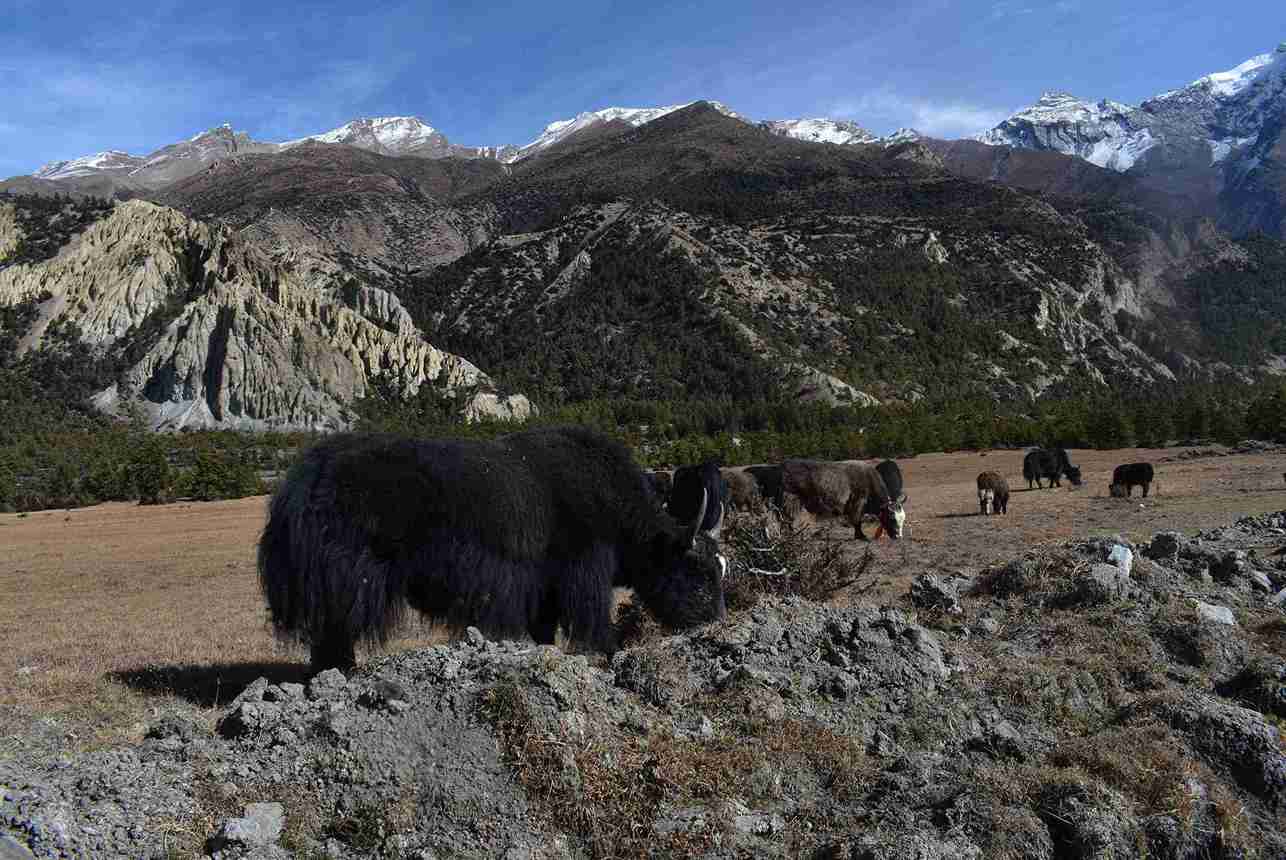
Today’s trek leads us through the alpine grassland, and there are usually many yaks and horses grazing alongside the trail here. There is a marked difference in the landscape today, as trees have now made way for open land, and with each step, the thinning air is a reminder of the height gained. Yak Kharka is a tiny settlement created mostly to cater to trekkers making their way towards the pass.
Day 9
It’s a short but tough climb, ending up in Phedi, the base camp for tomorrow’s Thorong La Pass crossing. The walk is tougher than you think due to the elevation even if it’s not as far as the figures suggest, and trekkers tend to pace themselves as they have an exhausting day ahead of them. Getting there in time will mean that you have ample opportunity to rest before the next day’s challenging walk begins.
Day 10
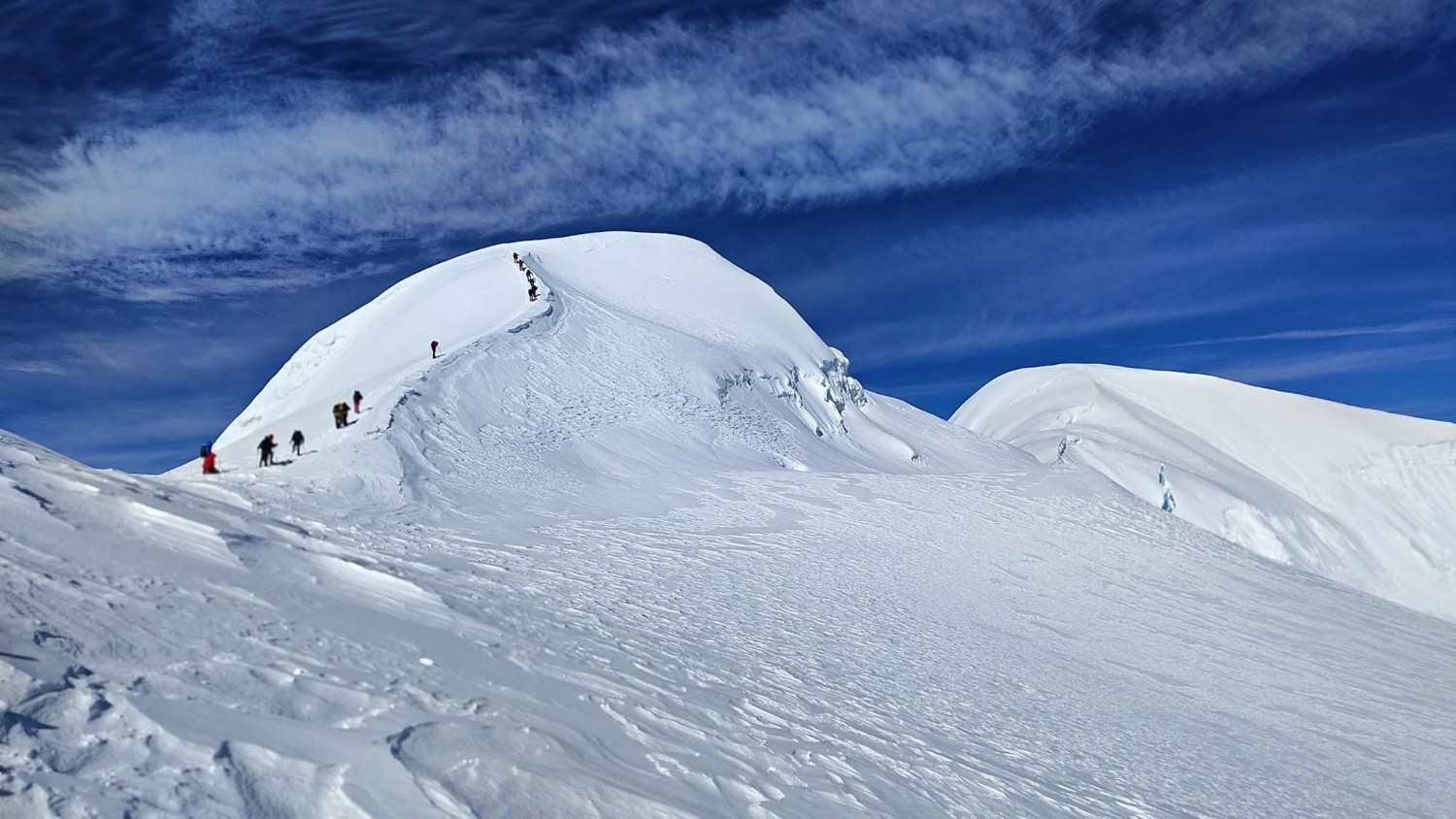
This will be the most exhausting and most memorable day in the whole trip, as you start off early in the morning to cross Thorong La Pass, which will be the highest point on your way. It’s going to be a tiring walk up to the pass, but once you get there, you’ll be able to enjoy incredible views from the top. You’ll then have to make your way down to Muktinath via a steep descent.
Day 11
Before leaving Muktinath, most trekkers take time to visit its temple complex, known for its eternal flame and 108 water spouts that pilgrims traditionally bathe under. From there, you’ll drive along the dramatic Kali Gandaki Gorge, considered the deepest gorge in the world, toward the hot spring village of Tatopani. After the physical demands of crossing the pass, the natural hot springs here are a welcome way to relax and let your muscles recover.
Day 12
Today’s trek climbs steadily through forest and terraced villages as you make your way toward Ghorepani, one of the most popular hillside towns on the Annapurna trekking network. The walk is a gradual uphill effort, and by the time you reach Ghorepani, you’ll be back among rhododendron forest and cooler mountain air after the drier, more exposed terrain of the Mustang side of the trek.
Day 13
This day starts early with a short, steep climb up to Poon Hill to catch sunrise over the Annapurna and Dhaulagiri ranges, one of the most rewarding viewpoints in the entire region. After taking in the views, you’ll descend back through forest trail toward Birethanti, the trailhead marking the end of the trekking portion of the trip, before driving onward to Pokhara for the evening.
Day 14
The fourth and final drive of this trip takes you from Pokhara to Kathmandu, following the same road that you used on the first day of the trip. When you reach Kathmandu, the rest of the day is at leisure, allowing you to do some last minute shopping in Thamel.
Day 15
On your final day of this trek, you will be driven to the airport for your departure flight. This itinerary provides you with an excellent selection of some of the best and most diverse landscapes and cultures to be found in the Annapurna region.
The Trip Cost Includes
- Guide and porter with insurance
- All ground transportation mentioned in the itinerary
- ACAP permit and TIMS card
- Teahouse accommodation during the trek
- All meals during the trek
- Hotel accommodation in Kathmandu and Pokhara with breakfast
- Trekking route map and duffel bag use
Note: exact annapurna circuit trekking cost figures are shared separately based on group size and season, since this section focuses on what is covered rather than pricing.
The Trip Cost Excludes
- International airfare
- Nepal entry visa fee
- Travel and medical insurance
- Personal expenses like snacks, drinks, and hot showers
- Tips for guide, porter, and driver
Add-ons and Options
Shape this annapurna circuit trek tour around your own comfort level and travel style with a few simple add-ons.
- Jeep Upgrade: Swap the local bus for a private jeep on the Kathmandu to Dharapani drive
- Flight Upgrade: Fly between Pokhara and Kathmandu instead of driving to save time
- Extra Night in Kathmandu or Pokhara: Add rest time before or after the trek
How to Customize Your Trip with Add-Ons
Step 1: Choose your preferred departure date
Step 2: Enter the number of travelers
Step 3: Select your preferred add-ons
Step 4: Confirm accommodation and meal preferences
Step 5: Complete your booking
This kind of flexibility is exactly why using a reliable Annapurna Circuit Trek agency is worthwhile. Your journey is customized according to your convenience.
Departure Dates
Trek Gallery


Trek Essentials
- Sun Hat
- Warm Beanie
- Sunglasses with UV Protection
- Base Layer
- Fleece Jacket
- Down Jacket
- Windproof Outer Shell
- Lightweight Gloves
- Warm Insulated Gloves
- Trekking Pants
- Thermal Leggings
- Waterproof Shell Pants
- Trekking Boots
- Woolen Socks
- Camp Shoes
- Sun block Cream
- Lip Balm
- Wet Tissues
- Hand Sanitizer
- Daypack
- Duffel Bag
- Dry Bags
- Trekking Poles
- Headlamp
- Power Bank
- Water Bottle with Purification Tablets