
Good to Know

Arrival City
Kathmandu

Depature City
Kathmandu

Accommodation
Tea House & Hotel

Meals
Included

Trip Grade
Advanced Beginners

Maximum Altitude
6,187m/20,299ft

Activity
Trekking and Peak Climbing
Highlights
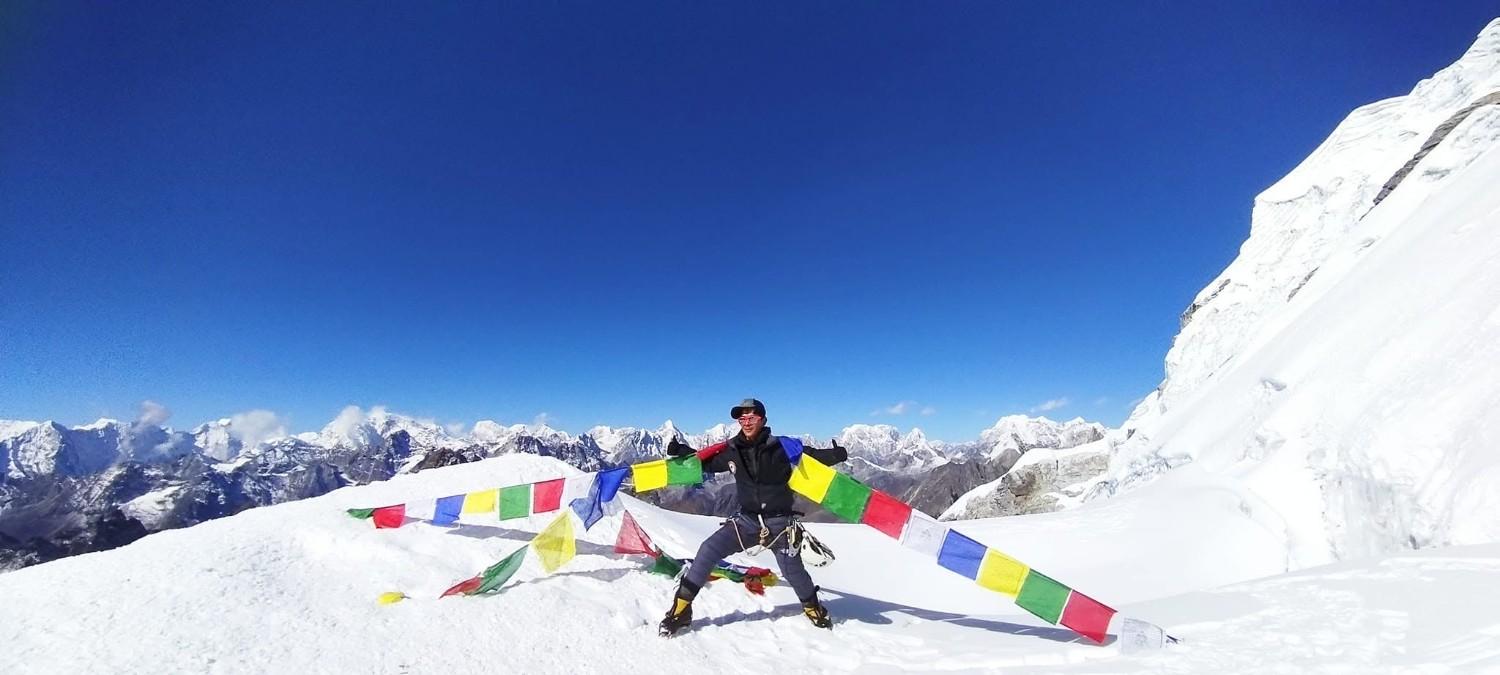
- Summit Island Peak, also known as Imja Tse, at 6,187m, one of the most popular first climbing peaks in Nepal
- Enjoy a helicopter ride to and from Lukla, one of the most thrilling short flights in the world
- One of the more complete forms of island peak expedition available, combining classic Khumbu trekking with genuine peak climbing
- See Tengboche Monastery, which is the spiritual heart of Khumbu
- Take in an unforgettable island peak summit view, with Lhotse, Nuptse, Baruntse, Ama Dablam, and Makalu all visible from the top
- Camp at Island Peak Base Camp beneath the mountain itself before your summit attempt
- Walk through Sherpa villages including Namche Bazaar, Pangboche, and Dingboche
- Enjoy 7 hot showers built into your trip, a genuine comfort upgrade on a demanding climbing route
- Recover with a well earned 1 hour trekker’s massage after completing your climb
Overviews
Island Peak Climbing, 15 Days
If you have climbed the mountains in Nepal before and felt curious about how it would be to climb a mountain, Island Peak climbing will most likely be the first choice that you will make. It is that mountain which is right between the two, having enough challenge for you to feel that you are climbing the mountain but still being easy so as not to need any climbing experience.
Island Peak is also known as Imja Tse and reaches 6,187m above sea level in the midst of the Khumbu Himalayan range. This is a preferred choice of climbers who climb for the first time as well as experienced trekkers.
This 15 day island peak expedition combines the classic trek toward Everest Base Camp territory with a dedicated climbing phase near Chhukhung, giving you proper acclimatization time before the technical summit push. You will fly into Lukla, trek through familiar Khumbu villages like Namche and Tengboche, then branch off toward Island Peak Base Camp for your summit attempt, complete with pre-climb training on ropes, crampons, and ice axes.
Whether you are looking to test yourself on your first island peak climb nepal experience, or you are building toward bigger 7,000m and 8,000m objectives down the line, this itinerary gives you a well paced, properly acclimatized route to one of the most achievable Himalayan summits available.
Why Climb Island Peak
The origin of the name Island Peak can be traced back to the early explorers that noticed how the mountain resembled an island floating in a sea of ice. The Sherpa name of the mountain, Imja Tse, is based on the location of the peak near the valley called Imja.
What makes this island peak climb so popular is the balance it strikes. It is technical enough to require ropes, crampons, and a harness on summit day, but the climbing itself does not demand prior mountaineering certification, since your climbing Sherpa provides hands on training at base camp before the attempt. This combination of island peak and everest base camp style trekking terrain plus a genuine technical summit is part of why it has become one of the most recommended entry points into high altitude climbing in Nepal.
Landscape and Culture
This is because the trekking route involves the legendary trekking trail of Everest Base Camp Trek which passes through places like Namche Bazaar, Tengboche and Dingboche and then branches out towards the secluded village of Chhukhung. The whole trekking route stretches inside the protected area of Sagarmatha National Park, which has been declared a UNESCO World Heritage site.
Monastery of Tengboche, which is a spiritual site of the Khumbu, lies right on the trekking trail of Island peak and Everest Base Camp, and many people describe their visit to the monastery as an important experience before their ascent of the mountains. Sherpa culture permeates throughout each of the villages on this trekking trail.
Best Season to Climb Island Peak
Peak climbing on the island should ideally be done during the spring months, which range from March until early June, or the fall season from mid-September until November. This is because the weather and climatic conditions are very favorable for climbing. The monsoon season should preferably be avoided, which ranges from July until August.
It is also possible to climb the mountain during the winter period, when the number of climbers on the mountain is less; however, the cold can be severe during this time of year.
Island Peak Weather and Temperature
The weather in the island peak area can be very unpredictable, due to the local weather conditions prevailing in the Everest region, making prediction impossible for the following day. It is possible that you may experience rain, fog or sunshine on the same day of trekking, while the nights are cold.
In springtime, average daily temperatures remain at 20°C, but nighttime temperatures fall to around minus 15°C above 4,000 meters. In autumn, the sky is equally clear with cooler daytime temperatures. Higher up camp and even on summit day, temperatures will fall below freezing point, hence the need for cold weather clothing.
Food, Water, Wifi and Accommodation
Your accommodation will vary through your trip. Your accommodation will be 3-star hotel in Kathmandu, guesthouse with attached bathroom facilities in Lukla, Phakding and Namche, while higher altitude guesthouses for other villages.
The food will consist of familiar items such as dal bhat, noodle soups and simple breakfasts, with hot beverages provided at all three meals along with seasonal fruit in the evening. At base camp, your personal climbing guide will prepare your meals during your stay.
The drinking water is purified either by filtering or using purification tablets during the trip. Wifi facilities are available in most villages up to Namche and sometimes beyond.
Permits
You will need three permits for this expedition: a Sagarmatha National Park permit, a TIMS card, and an Island Peak Climbing Permit. All three fall under the standard island peak climbing permit requirements and are arranged by your trekking agency ahead of time.
Outline Itinerary
Day 1
You will have someone from our agency receive you there and take you to your hotel via a personal conveyance. That same day, you will get to meet your guide for an introductory brief about your route, permits, and everything else you should expect for the next two weeks. Accommodation at a 3-star hotel in Kathmandu.
Day 2
A short flight will take you to Lukla, the entry point to Khumbu. The flight can either fly directly from Kathmandu or take a different route through Ramechhap, depending on the time of the year. After landing, porters will be ready to receive the team before trekking for a couple of easy hours up to Phakding along the Dudh Kosi River.
Day 3
The path winds across the Dudh Kosi several times on hanging bridges decorated with prayers flags before crossing into Sagarmatha National Park. A climb up is next, leading to Namche Bazaar, which is not only the highest point on the trek but also the biggest and most energetic village along the way. Accommodation in a guest house with bathroom facility.
Day 4
Instead of moving higher, the day will be used to adapt to the high altitude. Most trekkers move towards the Sherpa culture museum and continue further up to the Syangboche airstrip near the Hotel Everest View. Accommodation in a guest house.
Day 5
You will follow the gushing glaciers of Dudh Kosi up to Tengboche, which is home to the biggest monastery in the entire Khumbu region. The timing of your walk will allow you to watch a prayer ceremony taking place here, giving a touch of spirituality to your exhausting day. Overnight in a lodge.
Day 6
On the way down from Tengboche to Deboche, you will have to cross a suspension bridge on the Imja Khola and go up to Pangboche with its thousands of mani stones. The walk will continue to Dingboche, providing breathtaking views of Lhotse, Island Peak, and Ama Dablam. Overnight in a lodge.
Day 7
Four-hour walk to Chhukhung, which is a key acclimatization point prior to climbing ahead. On the way, your guide will tell you all about the island peak climbing process and the itinerary for upcoming days. Overnight in a lodge.
Day 8
A trek that lasts four to five hours will see you reach base camp, where you will camp in tents for the following two days with food arrangements taken care of by your climbing guide. Night in a tented camp.
Day 9
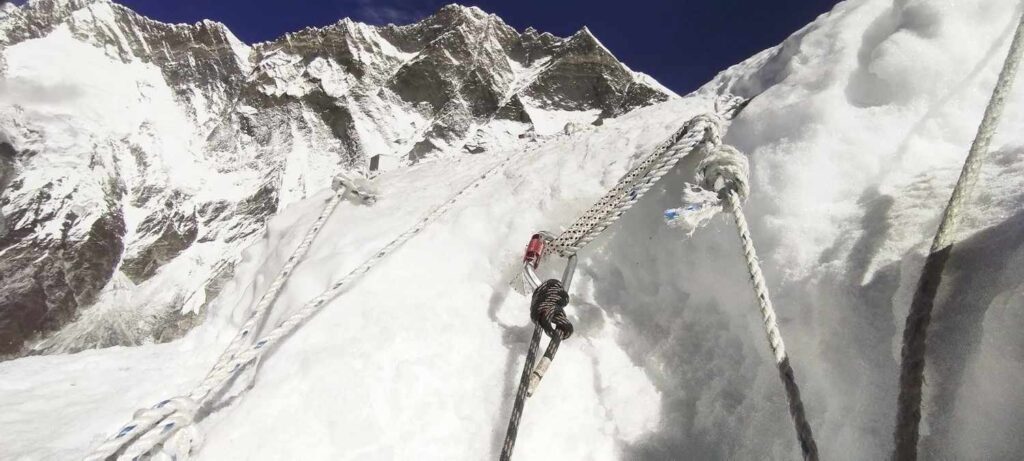
Today is a day when you need to get used to the high altitude as well as undertake a training walk around the base camp in preparation for the summit climb. The climbing Sherpa will give a training on rope work, crampons, and basic climbing techniques on today. Night in a tented camp.
Day 10
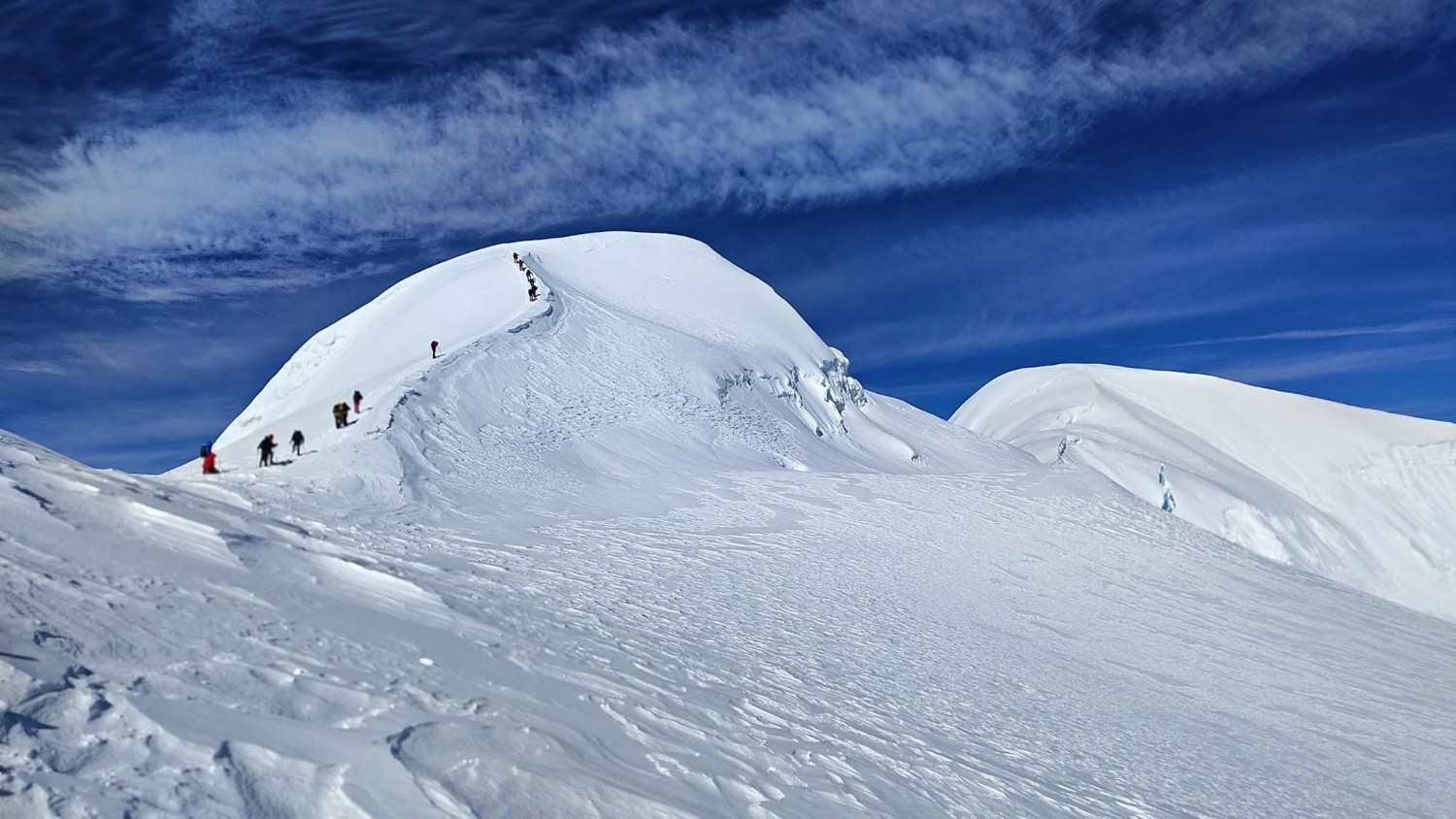
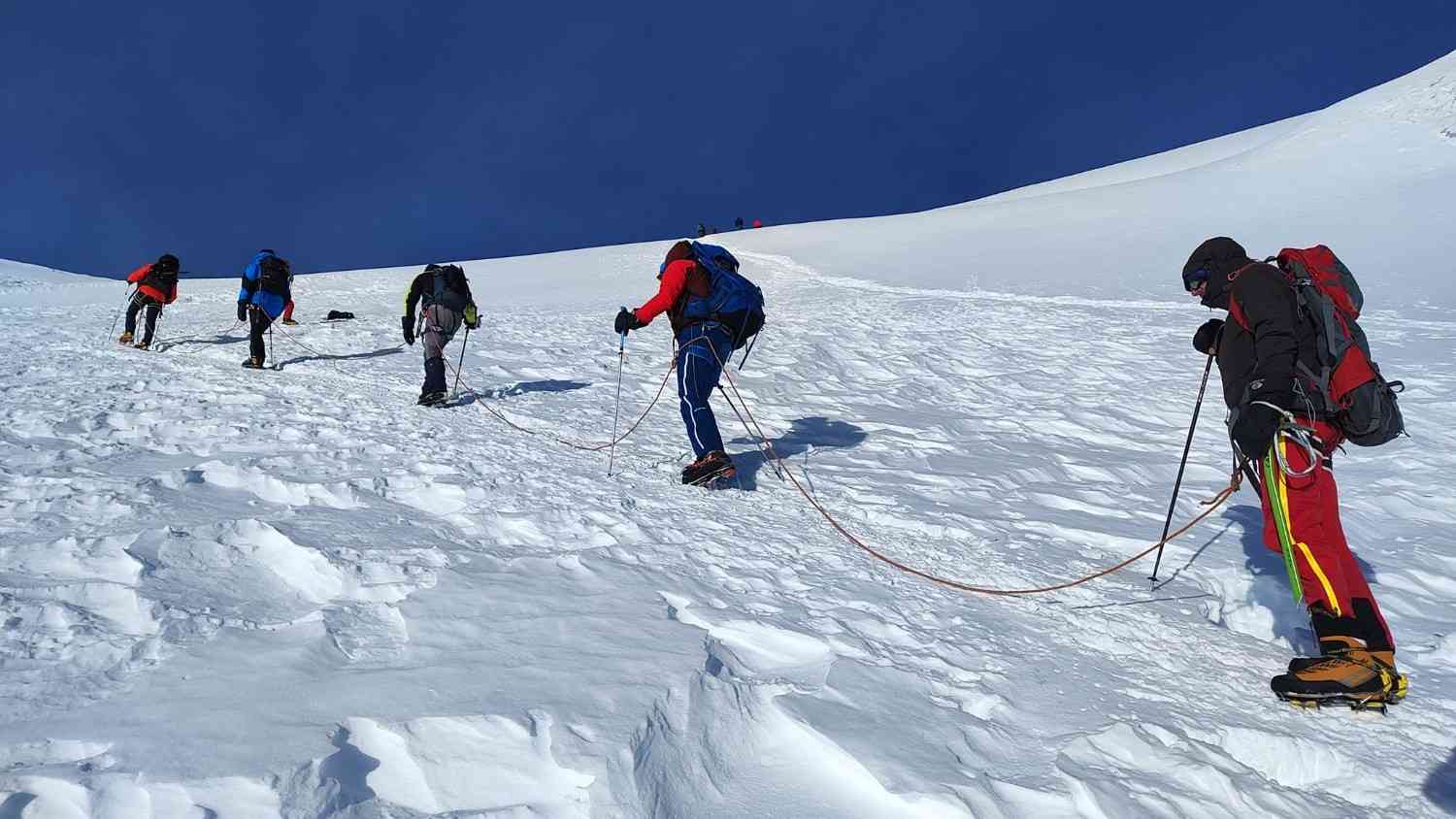
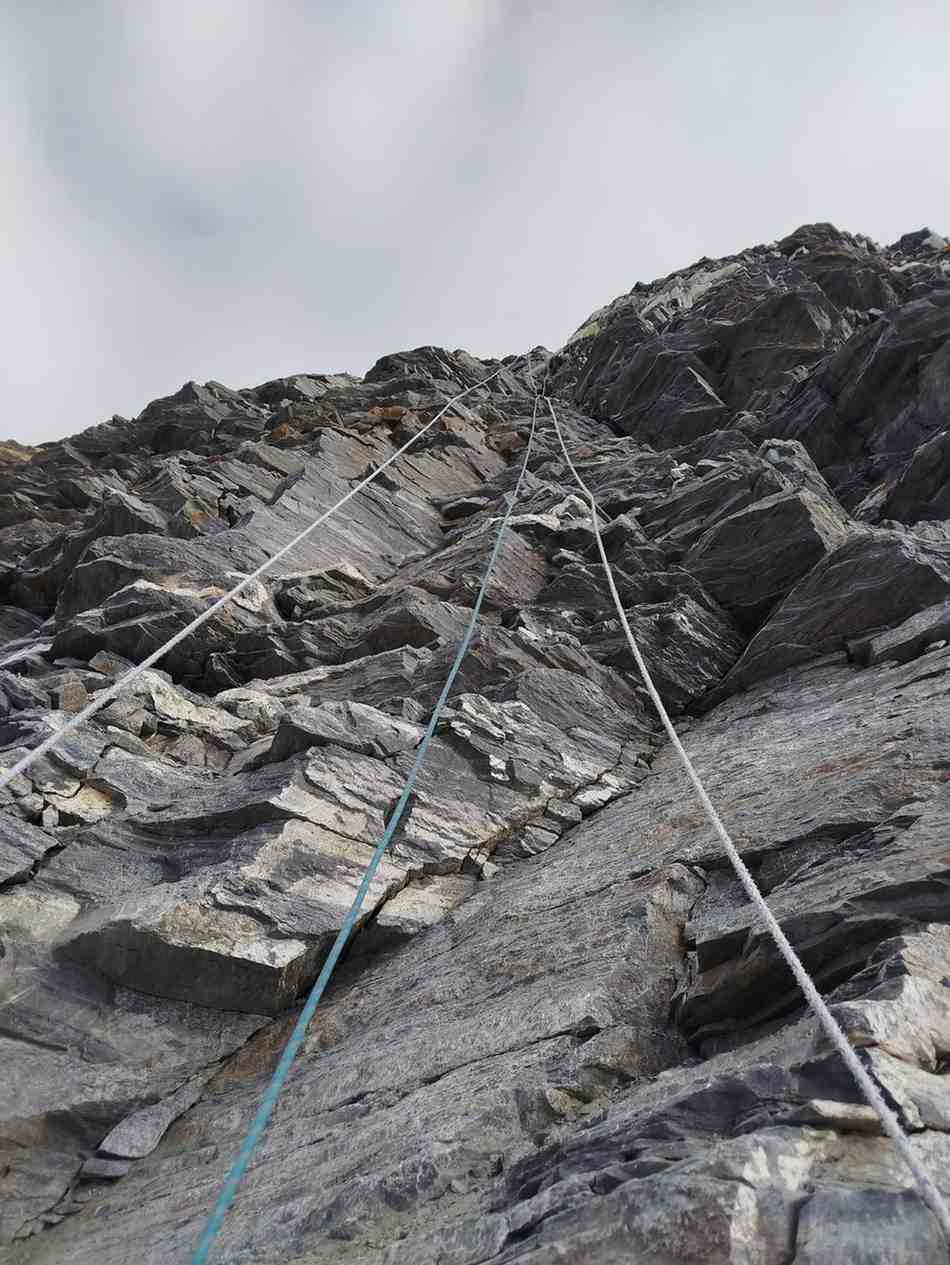
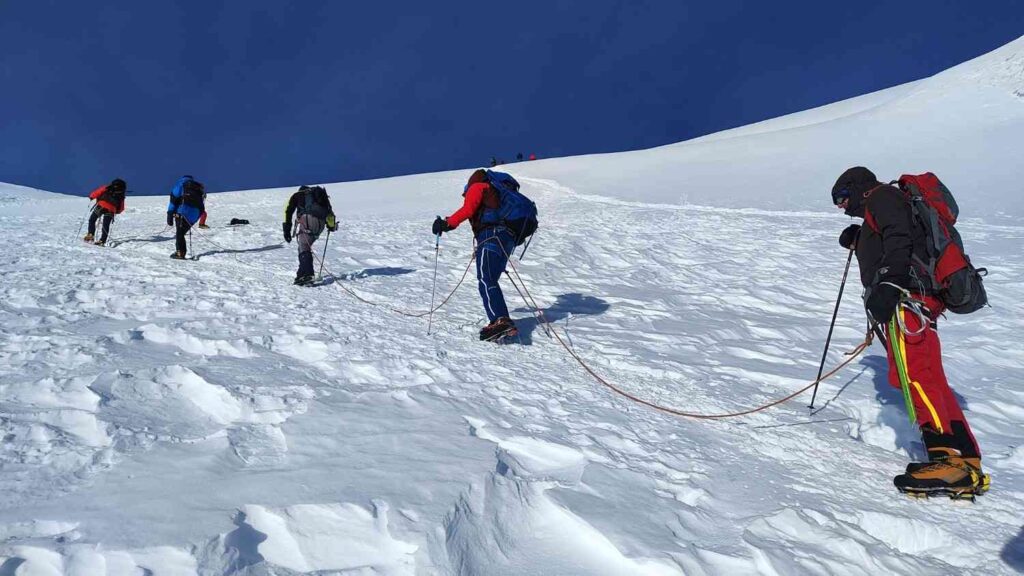
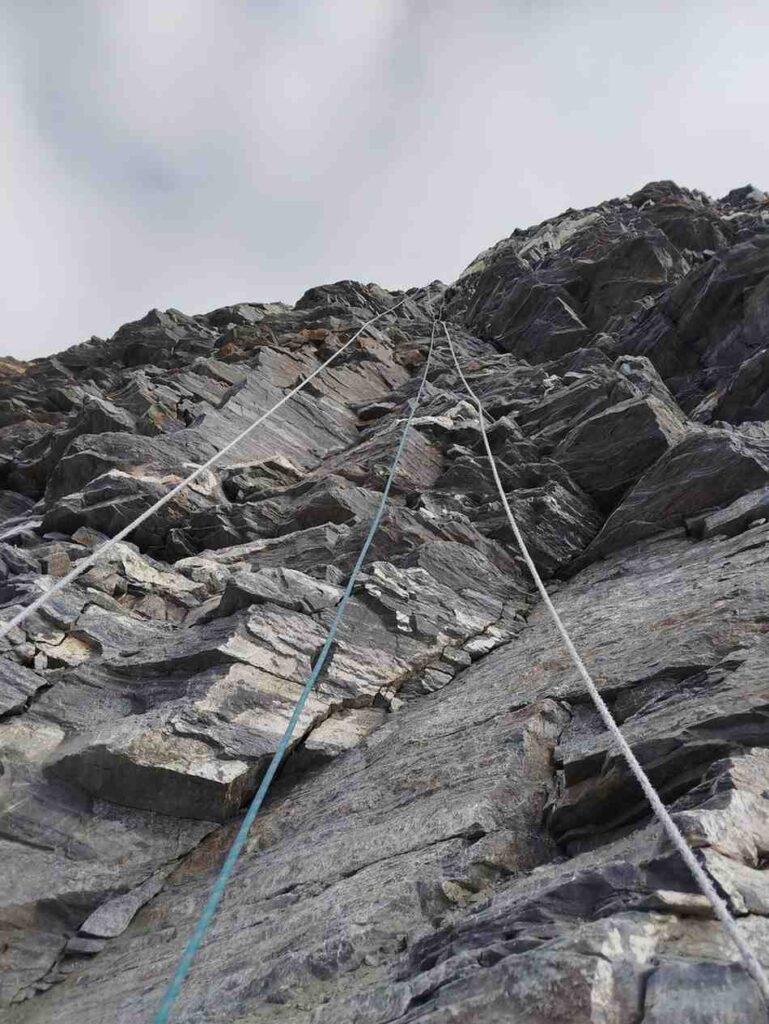
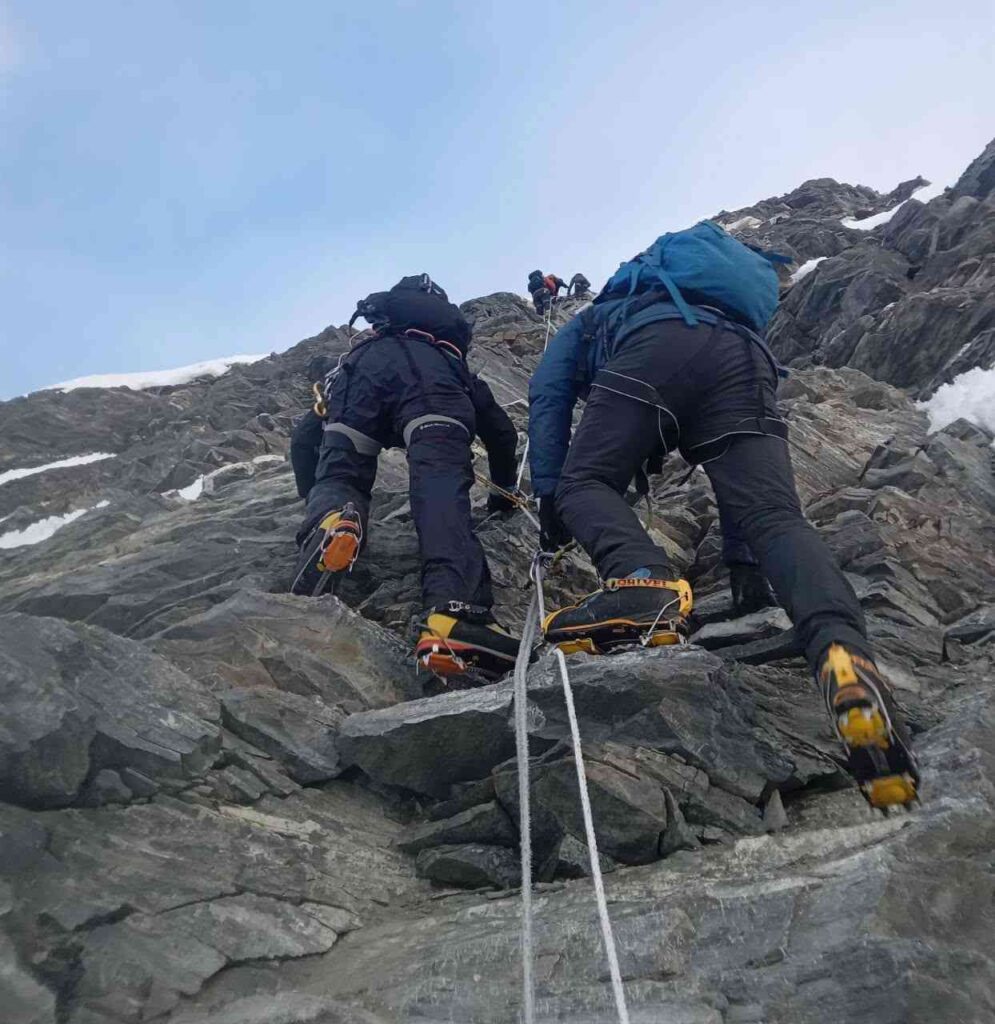
This is the main event. Subject to weather conditions, you will begin your climb in the early morning, ascending through a gully, traversing a wide stone field, and crossing the ridge to the glacier and crevasse zone before reaching the summit. After taking in the island peak summit view, you descend the same day back to Chhukhung. Overnight at a guesthouse.
Day 11
Following the same route back down, the trail passes through Dingboche, Pangboche, and Deboche on the way to Tengboche, giving you a chance to properly process the achievement of the previous day. Overnight at a guesthouse.
Day 12
The descent will continue via the village of Khumjung, reaching Namche Bazaar in the afternoon, giving us time to relax in the evening after contemplating our journey with our fellow climbers. Overnight stay at a guest house.
Day 13
The final trekking day retraces familiar ground back down to Lukla, where the journey began nearly two weeks earlier. Overnight at a guesthouse.
Day 14
A scenic return flight, again possibly routed through Ramechhap depending on the season, brings you back to Kathmandu. A farewell dinner in the evening celebrates the successful completion of your climb, and this is also when your included 1 hour trekker’s massage takes place. Overnight at a 3-star hotel.
Day 15
Transferring you to the airport for your flight home, closing out your Island Peak climbing expedition.
The Trip Cost Includes
- Experienced, wilderness first-aid trained, government licensed, English speaking guide, with an assistant guide for groups over 7
- Climbing Sherpa from Island Peak Base Camp for the summit push and return
- Porter service, one porter for every two trekkers
- Twin share accommodation in a 3-star hotel in Kathmandu with breakfast
- Guesthouse accommodation during the trek, with attached bathrooms in Lukla, Phakding, and Namche
- Accommodation at tented camps along with all meals
- All meals during the trek, including a hot drink with each meal and fresh fruit each evening
- Kathmandu to Lukla round-trip flights
- Sagarmatha National Park permit, TIMS card, and Island Peak Climbing Permit
- Group climbing equipment, including climbing rope, ice screw, snow bar, and ice hammer
- Duffel bag, trekking map, sun hat, and neck gaiter
- Comprehensive first aid kit with oximeter
- 7 hot showers during the trek
- A 1 hour trekker’s massage after completing your climb
- Farewell dinner in Kathmandu
Note: exact island peak climbing cost figures are shared separately based on group size, since this section focuses on what is covered rather than pricing.
The Trip Cost Excludes
- International airfare and airport departure tax
- Nepal entry visa fee
- Lunch and dinner in Kathmandu
- Travel insurance, including high altitude emergency evacuation coverage
- Any beverages, including bottled and boiled water, beyond the included showers
- Tips for guide, climbing Sherpa, porter, and driver
- Personal climbing gear and equipment, available for rental at an additional cost
Add-ons and Options
Shape this island peak expedition around your own comfort level with a few simple add-ons.
- Helicopter Option: Upgrade the Lukla flight to a direct helicopter transfer
- Private Tent Upgrade: Enjoy your own tent instead of shared camping accommodation at base camp
- Extra Buffer Days: Strongly recommended given the weather dependent nature of Lukla flights
- Personal Climbing Gear Rental: Rent technical climbing equipment rather than bringing your own
How to Customize Your Trip
Step 1: Choose your preferred departure date within the recommended season
Step 2: Enter the number of travelers
Step 3: Select your preferred add-ons
Step 4: Confirm accommodation and meal preferences
Step 5: Complete your booking
Given the technical nature of this climb, working with an experienced guide team who understands the real island peak cost drivers, permits, climbing Sherpa support, and safety equipment, matters more here than on a standard trekking package.
Trek Gallery


Trek Essentials
- Sun Hat
- Warm Beanie
- Sunglasses With UV Protection
- Climbing Helmet (Mandatory)
- Base Layer
- Fleece Jacket
- Down Jacket
- Windproof Outer Shell
- Wool Or Technical Liner Gloves
- Insulated Hard-Shell Outer Gloves
- Trekking Pants
- Thermal Leggings
- Waterproof Shell Pants
- Trekking Boots
- Plastic Shell Mountaineering Boots With High Altitude Liners
- Wool Socks
- Crampons
- Sunscreen
- Lip Balm
- Wet Wipes
- Hand Sanitizer
- Daypack
- Duffel Bag (Provided)
- Trekking Poles
- Headlamp
- Power Bank
- Water Bottle With Purification Tablets
- Climbing Harness
- Mountaineering Axe
- Ascender
- Belay Device
- Locking And Non-Locking Carabiners
- Expedition Gaiters