

Good to Know

Arrival City
Kathmandu

Depature City
Kathmandu

Accommodation
Tea House & Hotel

Meals
Included

Trip Grade
Challenging

Maximum Altitude
5,106m/16,752ft

Activity
High Altitude Trekking
Highlights
- Circle the entire Manaslu massif on a genuine loop route, rather than the usual there and back trail
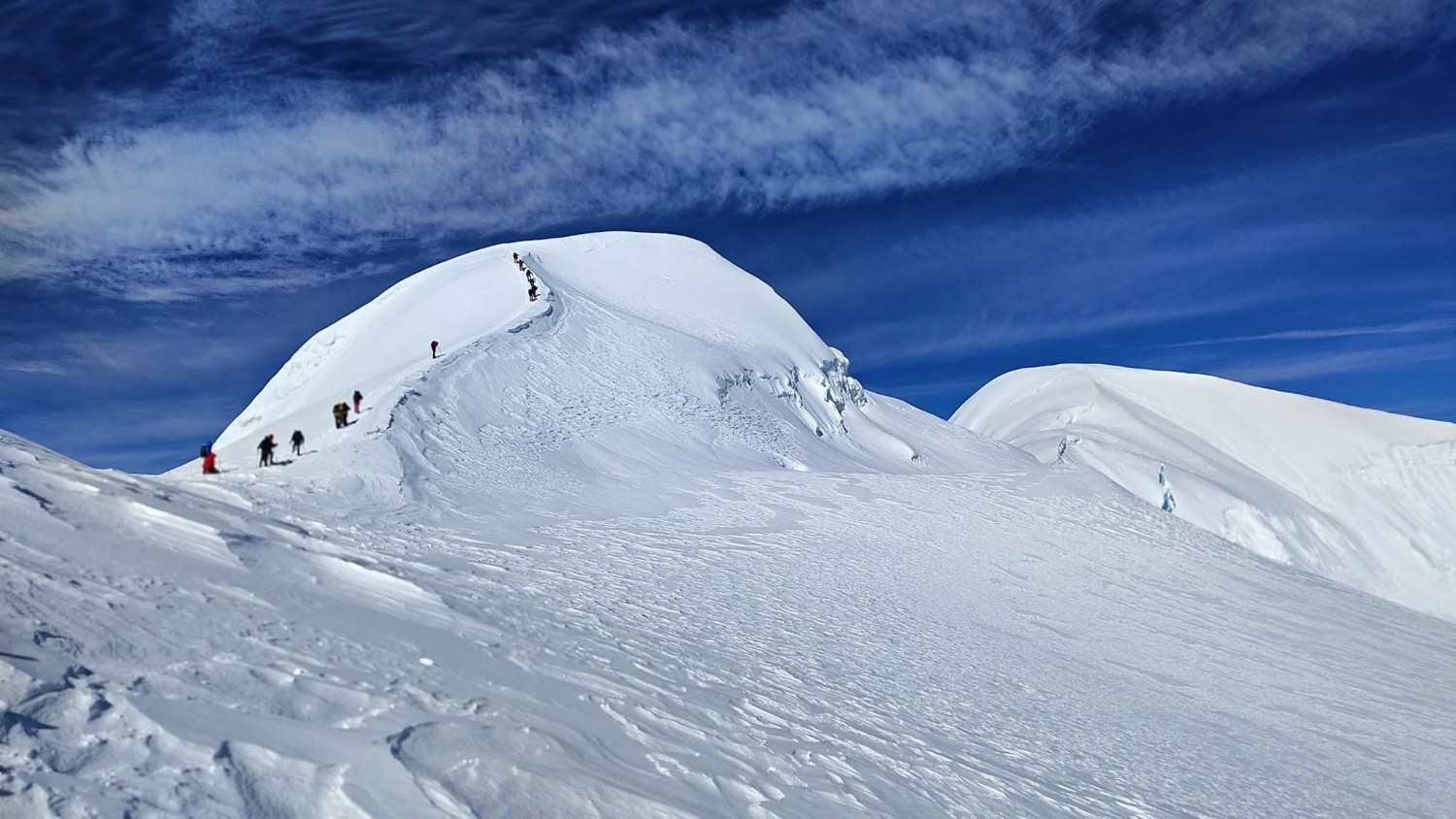
- Cross the dramatic Larkya La Pass at 5,106 meters, one of the most rewarding high passes in Nepal
- Walk through the restricted Manaslu Conservation Area, one of the least crowded trekking regions in the country
- Get close up views of Mount Manaslu, the eighth highest mountain in the world, from villages like Lho, Samagaon, and Samdo
- Explore Tibetan influenced villages and centuries old monasteries, including Lho and Samagaon
- Follow the Budhi Gandaki River through deep gorges, pine forest, and traditional Gurung and Tibetan settlements
- Trade the busier trails of Everest and Annapurna for a quieter, more traditional slice of the Himalaya
- Take in sweeping views of Himlung Himal and Cheo Himal from Bimthang right after crossing the pass
- Finish the trek near the edge of the Annapurna region, connecting two iconic trekking areas in a single journey
- Spend two built in acclimatization days in Samagaon and near the pass, keeping the climb genuinely safe rather than rushed
Overviews
The Manaslu Circuit Trek is a 15 day route that loops around Mount Manaslu, passing through deep river valleys, pine forest, and high alpine desert before crossing the dramatic Larkya La Pass. Unlike a straight there and back trek, this is a true circuit, so you keep moving forward through new villages and new scenery every single day rather than retracing old ground. This manaslu circuit trek package combines remote trekking with genuine Tibetan Buddhist culture, since many of the upper villages were settled by people who crossed over from Tibet generations ago.
Because the trail sits inside a restricted area, this manaslu round trek also feels wilder and less commercial than routes like Everest Base Camp or the Annapurna Circuit. You will share the trail with far fewer trekkers, and the villages you pass through still run largely on their own rhythm rather than around tourism. For travelers who want a proper manaslu circuit trek tour that still finishes with comfort and safety, this itinerary is designed to balance genuine adventure with a sensible, well paced schedule.
If you search for a manaslu circuit trek nepal option online, you will notice most agencies build their manaslu circuit trek package around this same general route, though the pace, group size, and level of support can vary quite a bit. A well planned manaslu circuit trek tour should always include enough rest days to acclimatize properly, since that is what keeps the Larkya La Pass crossing safe rather than simply hard.
Manaslu Circuit Map and Route
Before you leave, it is wise to take a little time to look at the manaslu circuit map to understand the outline of the circuit as a whole. The circuit takes the form of an irregular horseshoe shape with the circuit beginning at low altitude by Machha Khola, moving up gradually throughout the Manaslu Conservation Area and passing over the Larkya La Pass at the far end and ending near Dharapani in the outskirts of the Annapurna area.
Most trekking agencies include a manaslu circuit map in their trip documents, and it is worth studying it alongside your day by day itinerary before you fly into Kathmandu. Once you are on the trail, your guide will point out landmarks as you go, but having already looked at the manaslu circuit map ahead of time makes the whole journey feel far less unfamiliar.
The Mountain and the Region
Mount Manaslu, standing at 8,163 meters, is the eighth highest mountain in the world and one of the most striking of Nepal’s eight thousanders. Manaslu is named after the Sanskrit word manasa, intellect or soul, and local Gurung communities have long referred to the mountain as the Spirit Mountain. A manaslu summit attempt is a serious mountaineering expedition reserved for climbers with technical experience, but trekkers on this circuit get to walk right through its shadow, with jaw dropping views of the peak from several points along the trail, including close up looks near Samagaon and Samdo. Even without attempting the manaslu summit yourself, standing beneath it is one of the most memorable parts of the whole trip.
Manaslu in Nepal sits within the Manaslu Conservation Area, a protected region established to preserve both the fragile high altitude environment and the traditional Tibetan influenced culture of the upper valleys. Because of this protected status and its location near the Tibet border, the region has stayed far less developed than other trekking areas, and that is part of what makes walking here feel like stepping back in time. Anyone researching Manaslu in Nepal for the first time will quickly notice how much quieter this corner of the Himalaya still is compared to Everest or Annapurna.
Landscape and Culture Along the Way
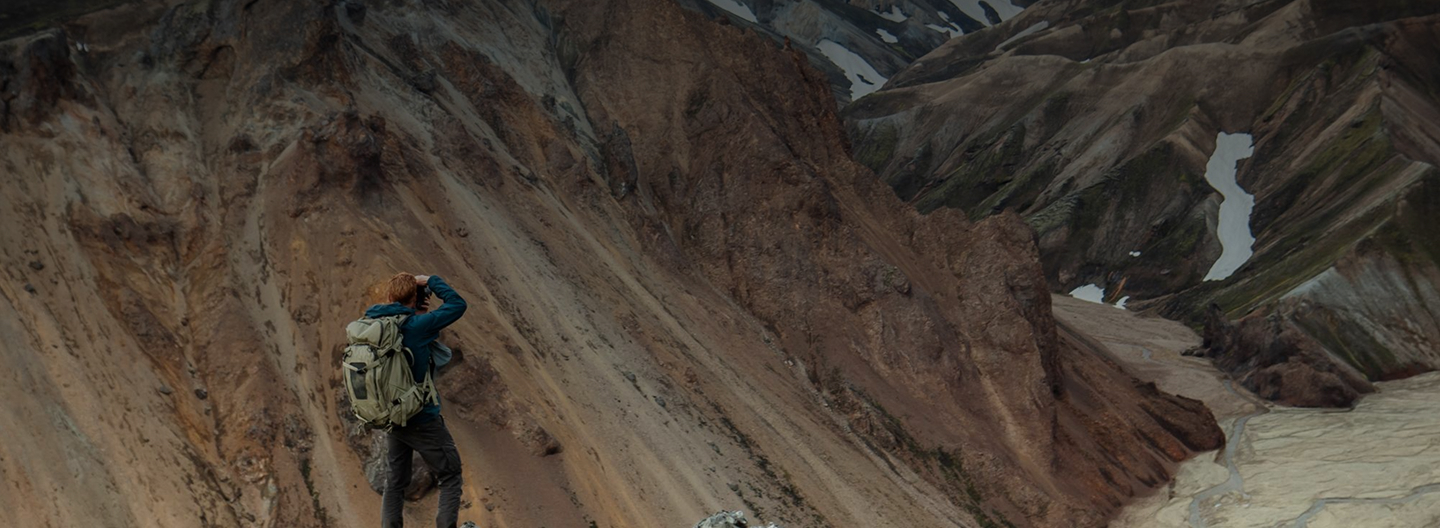
The trail begins in lush, subtropical river valleys lined with rice terraces and slowly climbs through pine and rhododendron forest before opening into high alpine terrain above the tree line. By the time you reach villages like Samagaon and Samdo, the scenery has shifted completely, with wide open valleys, prayer flags snapping in the wind, and Tibetan style stone houses replacing the greener architecture lower down. This shift in scenery is exactly what makes trekking through Manaslu in Nepal during the manaslu circuit trek best time window so rewarding, since clear skies show off the manaslu mountains and the manaslu summit at their absolute best.
Along the way, you will pass ancient mani walls, chortens, and gompas that mark this route as a genuine spiritual corridor as well as a trekking trail. Villages like Lho and Samagaon are home to some of the most important monasteries in the region, and many households along this manaslu circuit trek itinerary still follow customs passed down from Tibetan settlers who crossed the nearby passes centuries ago.
Best Time for the Manaslu Circuit Trek
Spring, running from March to May, and autumn, from September to November, are widely considered the manaslu circuit trek best time to attempt this route. During these months, the skies tend to stay clear, temperatures at lower and mid elevations are comfortable, and the high alpine sections and Larkya La Pass are generally free of heavy fresh snow.
The trek in winter season is possible for people who are well-prepared and experienced. In addition, it should be noted that snow may shut the Larkya La Pass without any prior notice; therefore, it is crucial to be flexible. The period between June and August (monsoon season) is not recommended because of the rains, leeches (in lower regions), and poor visibility of mountains.
Weather & Temperature
It should be noted that temperature changes drastically throughout the whole trek. Villages located in the lower parts (near Machha Khola, Jagat) remain warm and even humid. It becomes really cold after reaching Samagaon, Samdo, and open areas near the Larkya La Pass, where it is quite windy.
Because this route climbs above 5,100 meters at the pass itself, proper cold weather gear and a realistic understanding of the altitude ahead both matter enormously for comfort and safety. Nights above Samagaon regularly drop below freezing, even during the warmer trekking seasons, so packing in layers is not optional on this trek. Trekking outside the manaslu circuit trek best time window is possible, but it does add another layer to the overall manaslu circuit trek difficulty, so plan your dates carefully.
Food, Water, Wifi and Accommodation
Accommodation throughout the trek is simple teahouse style lodging, with basic twin share rooms and shared bathrooms common at higher elevations. Lower down, near Machha Khola and Jagat, rooms tend to be a little more comfortable, sometimes with attached bathrooms available.
Meals mostly consist of traditional Nepali food like dal bhat, along with noodle soups, momo, and simple breakfast options such as porridge, eggs, and pancakes. Since this manaslu circuit trek guide route is more remote than Everest or Annapurna, menu variety narrows the higher you climb, and food choices near Samdo and Dharamsala are noticeably more basic than lower down the trail.
Water can be found at all resting places though it always requires boiling or treatment before consumption so you should take your own bottle as well as water purification pills or filters. Wifi may be found in some lodges in Samagaon, though its availability further on is doubtful especially at Samdo and the pass area.
Permits Required
Since this trail runs through a restricted border area, permit requirements are stricter here than on more open trekking routes in Nepal, which is one of the first things any manaslu circuit trek nepal agency should explain to you clearly. You need Manaslu Restricted Area Permit, a Manaslu Conservation Area Project permit, and an Annapurna Conservation Area Project permit, since the trail exits through part of the Annapurna region near the end of the trek.
Every manaslu circuit trek permit must be arranged by registering with a trekking company and trekkers have to travel in the company of a licensed guide as well as in a group of not less than two persons, since solo trekking is not allowed on this restricted route. Your agency will handle the paperwork, but it helps to have your passport details and passport photos ready ahead of time. Because the manaslu circuit trek permit process changes from time to time, always double check current requirements with your guide before you fly in, and keep a copy of every manaslu circuit trek permit with you throughout the trek.
Trip Difficulty
The difficulty level of the Manaslu Trek lies in-between the Everest Base Camp Trek and mountaineering. Walking for long hours, altitude of over 5,000 m, and traversing the very tough pass of Larkya La makes it an extremely difficult trek; however, no mountaineering knowledge is needed.
Trekkers with some prior hiking experience and a reasonable fitness level generally manage this manaslu circuit trek difficulty just fine, especially with the built in acclimatization days included in this itinerary. That said, this is not considered a beginner route, and a bit of training before you arrive in Nepal will make the long days far more enjoyable. Most trekkers rate the manaslu circuit trek difficulty as moderate to challenging overall, which is fair for a manaslu round trek that crosses a pass above 5,000 meters.
Outline Itinerary
Day 1
The adventure of your life starts immediately after you arrive at Kathmandu where our staff members will be waiting to receive you at the airport and take you to your hotel in a private vehicle. On the same day or the very next morning, you will have the meeting with your guide and discuss all the details regarding your trip.
Day 2
This will be a very long and adventurous drive outside the city and into the mountains along with the river and its terraces. The place where you will stay overnight will be Machha Khola which lies at the starting point of the trekking route.
Day 3
This trek is based on following the Budhi Gandaki River by making several crossings over hanging bridges and passing through the small villages engaged in agriculture. Jagat is the name of the stoned village from where the restricted area of Manaslu begins.
Day 4
This journey is characterized by going through forests and falling over several waterfalls until the valley becomes narrow and more wild. The crossing of the boundary of the Manaslu conservation area and arriving at the small village of Deng will be seen during this day.
Day 5
This is the journey of walking through a forest of pine trees up towards some small settlements of Tibetan Buddhist culture. The village of Namrung is located at the viewpoint of the high peaks.
Day 6
A shorter, gentler day takes you past mani walls and through several small villages surrounded by fields and forest. Lho is home to a beautiful monastery, and clear days here bring your first proper close up view of the Manaslu summit itself.
Day 7
The trail opens into wider alpine terrain as you approach Samagaon, one of the largest and most important villages on this manaslu circuit trek route. This is also where the air starts feeling noticeably thinner, so pacing yourself matters from here on.
Day 8
Rather than climbing higher today, you rest in Samagaon, with an optional side hike toward Manaslu Base Camp or the Pungyen Gompa monastery for extra altitude exposure. This built in rest day is key to a safe and successful pass crossing later on.
Day 9
A relatively short walking day brings you to Samdo, a village close to the Tibet border that still trades with communities across the frontier. The scenery here turns increasingly stark and high altitude, with fewer trees and wider open valleys, and clear days offer some of the best views of the manaslu mountains on the entire route.
Day 10
Today is a short but important positioning day, moving you closer to the base of the Larkya La Pass. Dharamsala, sometimes called Larkya Phedi, has very basic facilities, so an early arrival and early rest matter here.
Day 11
This is the most difficult but rewarding day on the whole trek as we get up early morning and cross the 5,106 meter Larkya La pass. On our way down to Bimthang, we can admire the magnificent peaks of Himlung Himal and Cheo Himal with lush green scenery.
Day 12
We hike down in the forest areas and small villages, and at the end of the day, we join the Annapurna circuit trekking trail for some time. It’s a comfortable place to stay with much more warmth compared to the previous night’s high pass.
Day 13
A long ride through mountain road leads us to the main road to Kathmandu after passing by Besisahar village. A warm shower and good rest in a comfortable hotel after two weeks in the mountains are very well deserved.
Day 14
This is a spare day put aside in case of delays due to weather, road conditions, or any flight delays from before. However, if there were no problems at all, spend the day at leisure visiting the temples, markets, and cafes in Kathmandu.
Day 15
This marks the end of your trek in the Manaslu Circuit Trek and you will have a private transfer to the Airport to board your flight back home. You depart with wonderful memories of accomplishment that only very few treks in Nepal can give.
The Trip Cost Includes
- Experienced, government licensed guide and porter support
- All permits required for this restricted region, including the Manaslu Restricted Area Permit
- Twin share accommodation in Kathmandu with breakfast
- Teahouse accommodation throughout the trek
- All meals during the trek days, including a hot drink with each meal
- Ground transportation between Kathmandu and the trailhead, both ways
- Airport transfers and a trip completion certificate
- All transportation include
The Trip Cost Excludes
- International airfare
- Nepal entry visa fee
- Lunch and dinner in Kathmandu
- Travel and medical insurance, including high altitude rescue coverage
- Personal expenses such as snacks, hot showers, and charging devices
- Tips for your guide and porter
Add-ons and Options
Shape this trek around your own comfort level with a few simple add-ons.
- Buffer Days: Add extra days before or after the trek in case of road delays getting to or from Machha Khola
- Private Room Upgrade: Enjoy more privacy where available along the route, especially in Kathmandu, Machha Khola, and Jagat
- Helicopter Option: Upgrade your return journey from Bimthang or Dharapani to a private helicopter transfer, skipping the long drive back to Kathmandu
- Extra Guide Support: Add an assistant guide for larger groups tackling the Larkya La Pass crossing together
- Side Trip Add-on: Extend your stay in Samagaon with an extra day for the hike to Manaslu Base Camp
How to Customize Your Trip
Step 1: Choose your preferred departure date
Step 2: Enter the number of travelers
Step 3: Select your preferred add-ons
Step 4: Confirm accommodation and meal preferences
Step 5: Complete your booking
Trek Gallery
Trek Essentials
- Sun Hat
- Warm Beanie
- Sunglasses With UV Protection
- Base Layer
- Fleece Jacket
- Down Jacket
- Windproof Outer Shell
- Lightweight Gloves
- Warm Insulated Gloves
- Trekking Pants
- Thermal Leggings
- Waterproof Shell Pants
- Trekking Boots
- Wool Socks
- Camp Shoes
- Trekking Poles
- Headlamp
- Power Bank
- Water Bottle With Purification Tablets
- Basic First Aid Kit