Good to Know

Arrival City
Kathmandu

Depature City
Kathmandu

Accommodation
Tea House & Hotel

Meals
Included

Trip Grade
Moderate

Maximum Altitude
3,810m/12,500ft

Activity
Jeep Tour with light hiking
Highlights
- Attend all three days of the Tiji Festival, one of the most important religious celebrations in Upper Mustang
- Enter the ancient walled city of Lo Manthang, once the capital of the forbidden Kingdom of Lo
- Drive through the dramatic Kali Gandaki valley from Kathmandu to Pokhara and beyond
- Explore Marpha, known for its whitewashed homes and thriving apple orchards
- Visit sacred sites including Chungsi Cave and the centuries old Ghar Gompa monastery
- Pass through Kagbeni, the traditional gateway village into Upper Mustang
- Watch monks perform sacred masked dances representing the triumph of good over evil
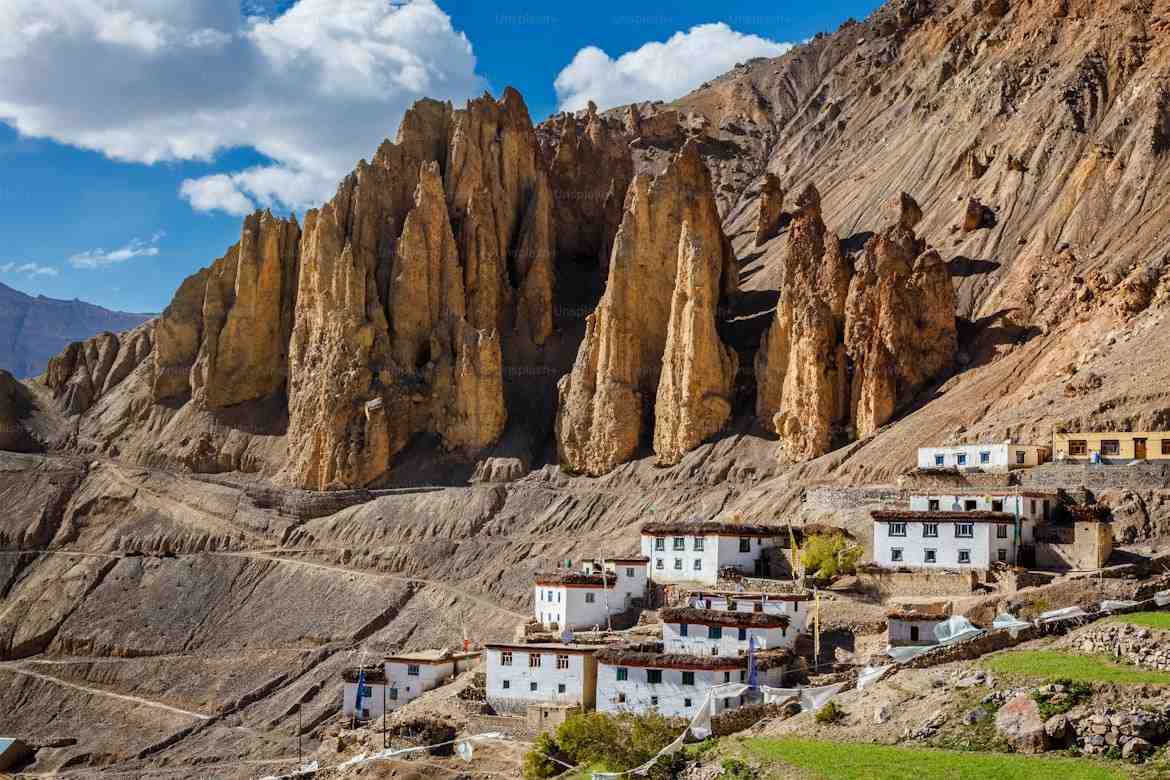
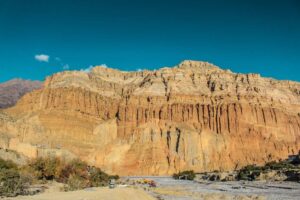
- Take in the stark red cliffs and high desert landscape unique to this part of Nepal
- One of the best ways to combine an upper mustang jeep tour with a genuine, once a year cultural event
Overviews
Upper Mustang Tiji Festival Tour, 14 Days
Most trekking trips in Nepal are built around scenery, mountain views, forests, ridgelines, and glaciers. That is reason enough to visit, but it also means you are seeing a landscape rather than a living event. If you want your trip to line up with something that actually happens once a year, in one specific place, on one specific set of dates, that changes what you should be planning for.
That is exactly what the Tiji Festival offers. Held annually in Lo Manthang, this three-day ritual is one of the most significant religious events in Upper Mustang, and it only happens on set dates each year, meaning your trip has to be planned around the festival calendar rather than the other way around. Missing the window means waiting another full year for the next one.
This Upper Mustang Tiji Festival Tour is built specifically around those dates. Instead of a standard trekking itinerary, this trip mixes scenic jeep travel with short hikes, sacred monasteries, and three full days inside the ancient walled city of Lo Manthang during the festival itself. It is one of the more complete ways to experience the Mustang region Nepal has to offer, culture and landscape together, on a schedule that actually matters.
Whether you already know a bit about Tibetan Buddhist tradition or you are completely new to it, this tour gives you direct, close-up access to a ceremony that most travelers never get the chance to see, inside one of the most restricted and carefully preserved regions in the entire country.
History of the Region
Upper Mustang is former Kingdom of Lo that had existed as an independent Buddhist kingdom in control of trade routes between Tibet and Nepal for centuries. Upper Mustang remained closed to any foreigners until 1992; this is one reason why its culture and traditions differ so much from the rest of commercially developed Nepal.
Because of that history, a restricted area permit nepal authorities issue only through registered agencies is still required to enter the region today. Travelers must join with a minimum group of two and a licensed guide, rules put in place specifically to protect the culture and environment of this fragile, high altitude kingdom.
Tiji Festival itself is highly symbolic in its nature in relation to this history. The name of this festival means something like “prayer for world peace,” and the ceremony itself tells the tale of a victory of a deity over a demon who was causing droughts in this area in the distant past.
The Tiji Festival Explained
The Tiji festival takes place over three days in the main courtyard of Lo Manthang, where the monks dance in a series of choreographed dances, telling one big story. Every day, the monks progress from one part to another, starting from a ritual, building up tension through confrontation, and ending with destroying the effigy of the demon outside the city walls.
The dance is done by monks who are specifically trained to perform in this festival, wearing their unique costumes and mask depicting various deities. The traditional instruments such as the Tibetan horn, drum, and cymbal are played along with each of the dance performances.
Because this ceremony only happens once a year and only in Lo Manthang, timing your trip precisely around it is the whole point of booking this itinerary rather than a standard Upper Mustang trek.
Landscape and Culture
The route to Lo Manthang moves through a striking range of scenery. You will pass through the Kali Gandaki valley, one of the deepest gorges in the world, before reaching Marpha, a village known for its whitewashed stone houses and rows of apple orchards. From there, the road climbs into the high desert landscape that defines Upper Mustang, red cliffs, wind carved canyons, and small Buddhist villages tucked against the hillsides.
Kagbeni serves as the traditional gateway into the forbidden area, which is made up of an old village with its narrow streets and the remains of a fort. Further on, there are other villages such as Chele, Samar, Ghami, and Charang that have their own charm, inhabited by communities maintaining the Tibetan Buddhist culture in its purest form.
Best Season for This Tour
As the above schedule is based specifically on the Tiji festival, the best time to travel would be whenever this festival takes place in that particular year, which usually happens in May. The climate in this period will generally be dry and stable, with no clouds covering the sky and allowing you to see everything clearly during the celebration and sightseeing in the area.
In general, the area of Upper Mustang is located in the rain shadow, so the weather remains dry throughout the whole year, whatever season it is. However, as this trip is planned based on the Tiji festival, it is better to know exactly the dates when the festival will take place in the desired year.
Weather and Upper Mustang Altitude
Festival days are relatively warm and cool. It gets colder at night and early in the morning, particularly in Lo Manthang. The highest point of upper mustang is 3,810m and is quite high for an adventure but much lower than many other high Himalaya trails in Nepal.
Wind is common in the afternoons, so most travel and sightseeing on this tour happens earlier in the day. Bringing proper layers matters even during the warmer months, since temperatures shift quickly once the sun goes down.
Food, Water, Wi-Fi, and Accommodation
Accommodation on this tour is a mix of hotels in Kathmandu and Pokhara and guesthouses throughout Upper Mustang. Guesthouse rooms are simple, generally twin share, with shared bathrooms common in the more remote villages.
Foods rely mostly on traditional Nepalese and Tibetan meals such as dal bhat, noodle soups, momos, and simple breakfast foods with Marpha being famous for good food as well as fresh apple products. Drinking water can be found at all stations and it is usually boiled water; therefore, having a reusable water bottle with purification tablets would be a wise and environmentally-friendly decision.
Wifi is provided by most guesthouses en route to the destination point but its connection becomes weaker as one goes further to the forbidden zone especially around the town of Lo Manthang during the festival.
Permits
This tour requires an Annapurna Conservation Area Permit, a TIMS card, and the Upper Mustang Restricted Area Permit, which is specific to this region and one of the reasons a minimum of two travelers is required per booking. Your trekking agency handles the paperwork for all of these before the trip begins, so the process stays simple on your end.
Outline Itinerary
Day 1
On arrival at Tribhuvan International Airport, we will be met by our representative and transferred to our hotel in Kathmandu. After check-in, the remainder of the day will be free for leisure following the journey or exploring the surrounding areas. You may experience the bustling atmosphere of the capital city before starting the Upper Mustang Trek. A brief trip briefing in the evening will help you know more about the schedule and the journey ahead. Over-night stay at hotel.
Day 2
In the morning, travel to Pokhara via a 7-9 hour drive. The route will take you through winding highways, with views of river valleys, terraces and villages. Arrive in Pokhara in the late afternoon, and check-in at the hotel. Overnight at hotel.
Day 3
Drive out of Pokhara and go north through the breathtaking Kali Gandaki Valley and experience scenic views of mountains and finally reach Marpha, a small village renowned for its apple plantations and paved stone paths. You can explore the village and get an insight into the local culture of the place. Spend an evening amidst the Himalayas and get some rest at a guesthouse.
Day 4
Continue your travel through Kagbeni and reach the restricted region of Upper Mustang. You will pass through the dramatic villages of Chhusang and Chele and observe how their landscape is dominated by cliffs. With your increasing altitude, you can experience the unique culture and architecture of Mustang. Reach Samar Village and get comfortable in a guesthouse.
Day 5
Begin your day with a hike to the sacred Chungsi Cave which is an important meditating point of Guru Rinpoche. Continue on to Shyangbochen after enjoying amazing views of the surrounding valleys and mountains. Afterwards, take a drive to Ghami through the hilly area of Mustang. Spend the evening in this secluded village of the Himalayas. Overnight in a guest house.
Day 6
On today’s tour, explore Dhakmar, a scenic site with remarkable red cliffs, and visit Ghar Gompa, one of the oldest monasteries in Mustang. Learn more about the cultural and religious significance of the site and drive to Charang later. The village features an imposing monastery and traditional Tibetan-style architecture. Overnight stay in a guest house.
Day 7
Travel through the desolate high desert terrain to reach Lo Manthang, the ancient walled capital of the Kingdom of Lo. Enjoy the fantastic mountain views as you get closer to the destination. Discover the narrow lanes and monasteries after you have reached the city. Get ready to participate in the fascinating cultural activities which will begin the very next day. Over-night in a guest house.
Day 8
Visit the opening ceremony of the famous festival named Tiji festival in the central courtyard of Lo Manthang. You will be able to see monks performing the traditional masked dance depicting the victory of good against evil. Traditional music, prayers, and local festivities mark the event. It is a great chance to witness one of the important festivals of Nepal. Overnight in a guest house.
Day 9
Continue enjoying the Tiji Festival as the performances and rituals become more elaborate. The masked dances unfold another chapter of the sacred story while local residents gather in traditional attire to celebrate. Your guide will explain the symbolism and cultural significance behind the ceremonies. Spend another memorable day immersed in Mustang’s living traditions. Overnight at a guesthouse.
Day 10
Watch the closing ceremonies of the Tiji Festival and its ceremonial shows. One of the special attractions here is the symbolic ceremony that takes place outside the walls of the city. This ceremony symbolizes the victory of harmony over evil powers. After your last night’s stay in Lo Manthang, you will head back to Jomsom.
Day 11
Begin the return journey by driving back through the familiar villages and landscapes of Upper Mustang. As you descend, the barren terrain gradually changes into greener valleys. Enjoy the final views of the dramatic Kali Gandaki region before arriving in Jomsom. Relax after the day’s journey at your guesthouse. Overnight at a guesthouse.
Day 12
Drive to Pokhara via the Kali Gandaki Valley. The drive will take you through some scenic landscapes along with rivers, hills, and mountains. On reaching Pokhara, check into your hotel and spend the rest of the day free at your own convenience. You could just unwind and take a stroll around the quiet Lakeside area.
Day 13
Post-breakfast, head back to Kathmandu on a picturesque trip from central Nepal. This will be your last chance to see the variety of scenery that Nepal has to offer before arriving at your destination. Once you reach Kathmandu, relax with a dinner celebration of your fantastic Upper Mustang Tiji Festival Tour.
The Trip Cost Includes
- Guide and porter with insurance
- All ground transportation mentioned in the itinerary
- ACAP permit, TIMS card, and Upper Mustang Restricted Area Permit
- Guesthouse accommodation during the tour
- All meals during the tour
- Hotel accommodation in Kathmandu and Pokhara with breakfast
- Trekking route map and duffel bag use
Note: exact costs for this tour are shared separately based on group size, since this section focuses on what is covered rather than pricing.
The Trip Cost Excludes
- International airfare
- Nepal entry visa fee
- Travel and medical insurance
- Personal expenses like snacks, drinks, and hot showers
- Tips for guide, porter, and driver
- Meals not on the trek days (lunch and dinner in Kathmandu and Pokhara)
Add-ons and Options
Shape this upper mustang tour around your own comfort level with a few simple add-ons.
- Extra Night in Kathmandu or Pokhara: Add rest time before or after the tour
- Private Room Upgrade: Enjoy more privacy where available along the route
- Flight Upgrade: Fly between Pokhara and Kathmandu instead of driving to save time
- Trip Extension: Combine this tour with a short Upper Mustang trek or a Chitwan safari afterward
How to Customize Your Trip
- Step 1: Choose your preferred departure date around the confirmed Tiji Festival dates
- Step 2: Enter the number of travelers
- Step 3: Select your preferred add-ons
- Step 4: Confirm accommodation and meal preferences
- Step 5: Complete your booking
Since this tour revolves around certain dates for the festivals, booking in advance becomes all the more necessary. Even with this much rigidity in your itinerary, you can plan out the rest of the upper Mustang Jeep Tour.
Trek Gallery
Trek Essentials
- Sun Hat
- Warm Beanie
- Sunglasses With UV Protection
- Base Layer
- Fleece Jacket
- Down Jacket
- Windproof Outer Shell
- Lightweight Gloves
- Warm Insulated Gloves
- Trekking Pants
- Thermal Leggings
- Waterproof Shell Pants
- Trekking Boots Or Sturdy Walking Shoes
- Wool Socks
- Comfortable Shoes For The Festival Days
- Sunscreen
- Lip Balm
- Wet Wipes
- Hand Sanitizer
- Daypack
- Duffel Bag
- Camera Or Phone For The Festival
- Power Bank
- Water Bottle With Purification Tablets
- Dust Mask For Windy Drive Days