
Good to Know

Arrival City
Kathmandu

Depature City
Kathmandu

Accommodation
Tea House & Hotel

Meals
Included

Trip Grade
Hard

Maximum Altitude
6,476m/21,247ft

Activity
Trekking and peak climbing
Highlights
- Summit Mera Central at 6,476m, the highest of Mera Peak’s three summits and Nepal’s highest trekking peak
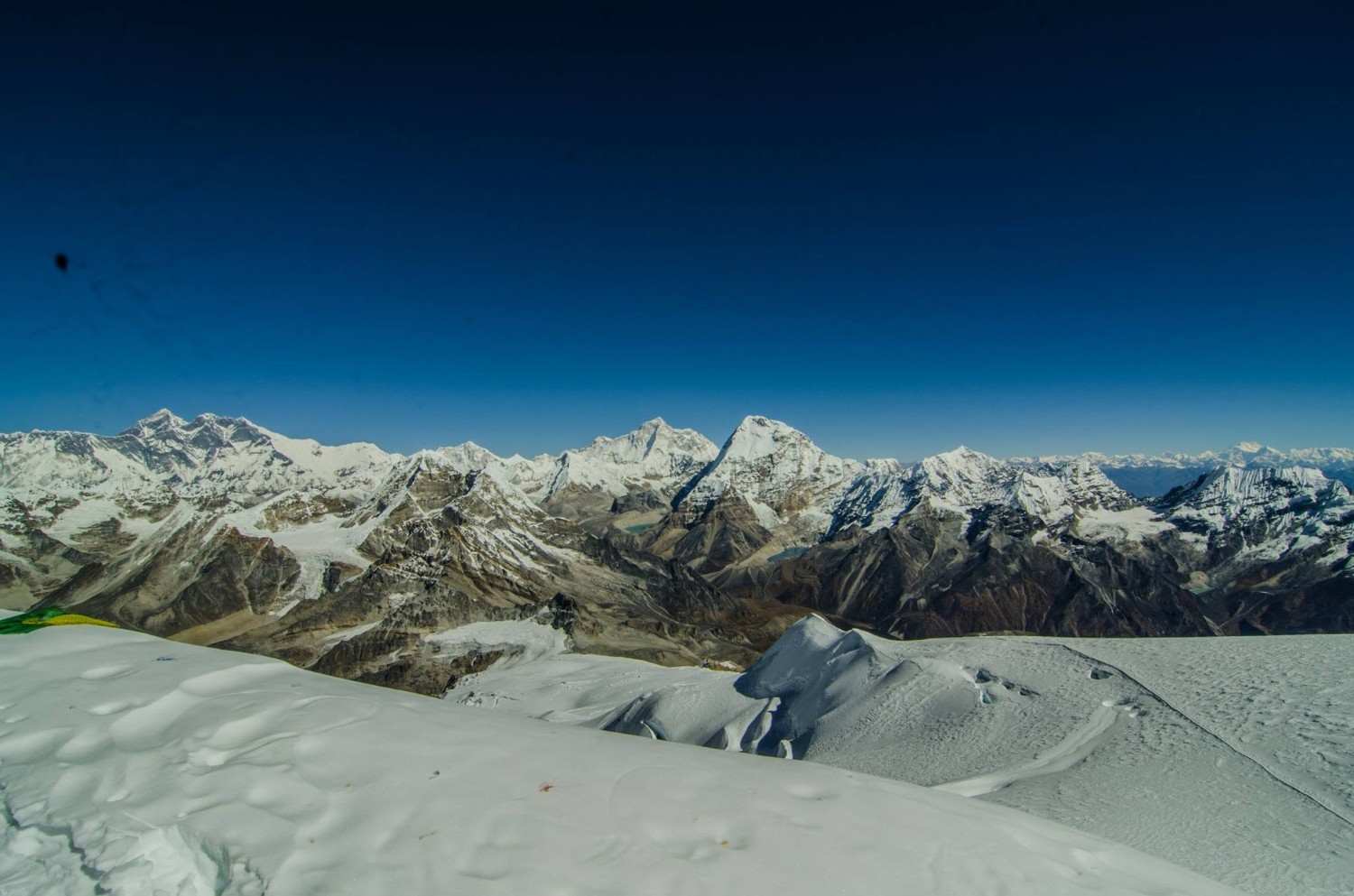
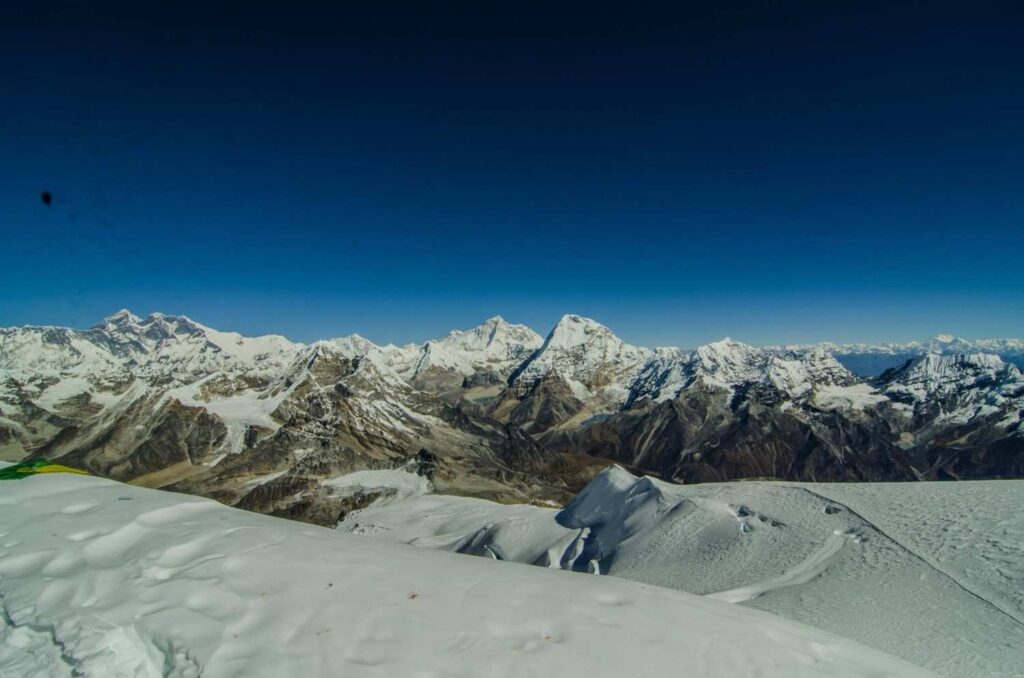
- Take in a panorama of five 8,000m giants from the summit, Everest, Kanchenjunga, Lhotse, Makalu, and Cho Oyu
- One of the more complete forms of Mera Peak Expedition available, combining remote valley trekking with a genuine mountaineering summit
- Cross two demanding passes, Kari La at 3,080m and Zatrwa La at 4,620m
- Trek through the isolated and culturally rich Khumbu, Barun, and Hinku valleys
- Hike through Makalu Barun National Park, with a real chance of spotting the elusive Red Panda
- Camp at both Mera Peak Base Camp and High Camp for a genuine mountaineering experience
- Learn basic mountaineering skills on the Mera Glacier under expert guidance
- A fantastic training ground for climbers building toward higher, more technical peaks
Overviews
Mera Peak Climbing, 19 Days
If you have already completed a standard trek in Nepal and found yourself wondering what an actual mountain summit would feel like, Mera Peak Climbing is usually where that curiosity leads. It sits in a genuinely useful sweet spot, technical enough to feel like real mountaineering, but far less demanding than peaks requiring advanced climbing certification.
Mera Peak, at 6,476m, is officially Nepal’s highest trekking peak, sitting in the heart of the Everest region but following a completely different route from the standard Everest Base Camp trail. This Mera Peak Trek takes you south from Lukla instead of north, through the remote Hinku and Barun valleys, giving you a far quieter, more authentic experience than the busier EBC corridor.
This 19 day Mera Peak Climbing Nepal itinerary uses a two-camp strategy, Base Camp and High Camp, rather than pushing straight to the summit in one push. That approach maximizes your chances of a successful summit while giving your body proper time to acclimatize along the way. You will fly into Lukla, trek through remote villages like Pangkoma and Kothe, spend an acclimatization day exploring the Charpate Himal Glacier, and eventually push for the summit before descending back through Zatrwa La Pass to Lukla.
Whether you are looking for your first real mountaineering summit, or you are building experience and fitness toward more technical peaks down the line, this Mera Peak Climb gives you a properly paced, well supported route to one of the most achievable 6,000m summits in the Himalayas.
Why Choose Mera Peak
Compared to other trekking peaks in Nepal, Mera Peak Climbing is considered more adventurous but less technically demanding. While the climb genuinely requires physical and mental strength, it needs less technical expertise than many other peaks, making it a solid option for both novice and experienced climbers seeking an authentic mountaineering experience.
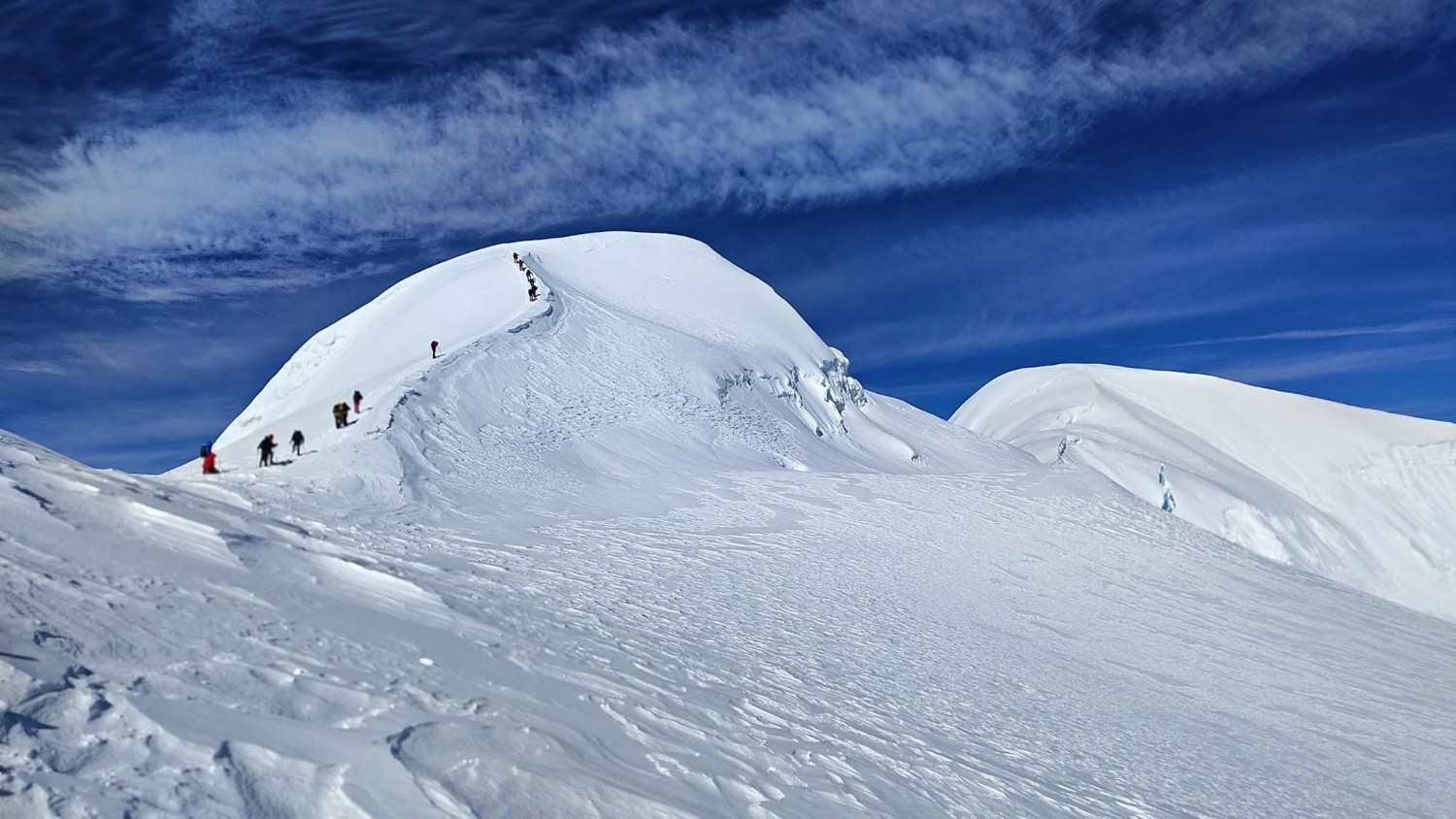
The final 40 to 50 meters to the summit are the toughest section, a steep and exposed stretch requiring fixed ropes, crampons, ice axes, and jumars. Below that point, the climb stays gradual and non-technical, which is part of why so many climbers use this Mera Peak Expedition as a genuine training ground before attempting more demanding peaks later on.
Landscape and Culture
Rather than following the well-trodden Everest Base Camp trekking route, this Mera Peak Climbing Route heads south from Lukla through the remote Hinku Valley, passing through villages like Pangkoma, Nigmsa, and Kothe that see far fewer visitors than the main Everest corridor. These traditional farming and trading communities offer a genuine glimpse into local Khumbu life.
Makalu Barun National Park adds another layer of ecological richness to this Mera Peak Base Camp Trek, home to diverse flora and fauna, including the elusive Red Panda. Ancient Gompas like Gondishung and Lunsumba, tucked into the upper Hinku Valley, reflect the region’s deep spiritual heritage against a backdrop of towering peaks like Charapate Himal and Kusum Kanguru.
Best Time to Climb Mera Peak
Spring and autumn mark the Mera Peak Best Time to Climb, offering the most stable weather and clearest mountain views for both the trekking approach and the technical summit push. Autumn, from September through November, is the most popular season, following the monsoon when the air stays dry and lower valleys remain green.
Winter is dry but genuinely cold, with temperatures dropping to negative 20 degrees Celsius at the highest altitudes, though trails are far less crowded during this period. Summer monsoon months bring washed out trails and limited visibility, making them generally unsuitable for this route.
Mera Peak Weather and Temperature
Mera Peak Weather shifts dramatically with elevation. Kathmandu stays mild with daytime temperatures reaching around 20°C, while conditions turn genuinely harsh as you climb toward Khare, Base Camp, and High Camp, where nighttime temperatures regularly drop well below freezing even during the warmer climbing seasons.
Because the Mera Peak Height reaches 6,476m at the central summit, wind exposure and cold become serious considerations, particularly during the early morning summit push, which typically begins before 2am to reach the top before afternoon winds pick up.
Food, Water, Wifi and Accommodation
Accommodation shifts throughout this expedition. You will stay at a 3-star hotel in Kathmandu, teahouses during most of the trekking portion, and fully equipped tented camps at both Mera Peak Base Camp and High Camp for the climbing phase.
Meals include breakfast, lunch, and dinner during the trek, with fresh seasonal fruit served after dinner. Menus at lower teahouses offer a mix of Nepali and Western dishes, while options become simpler the higher you climb, particularly once you reach the tented camp sections.
Drinking water should always be treated or purchased, since tap water is not safe to drink directly, even for brushing your teeth. Wifi is available at some lower teahouses but becomes unreliable past Kothe and disappears entirely at Base Camp and High Camp.
Permits
You will need a climbing permit, TIMS card, and national park permits covering both Sagarmatha and Makalu Barun National Parks for this expedition. All of these fall under the standard Mera Peak Climbing Permit requirements and are arranged by your trekking agency ahead of time.
Outline Itinerary
Day 1
Land in Kathmandu and clear immigration and visa formalities before collecting your luggage. A representative will meet you at the airport and transfer you to your hotel in a private vehicle. After resting, you can explore nearby markets and get familiar with the local culture. Overnight at a 3-star hotel in Kathmandu.
Day 2
After breakfast, explore Pashupatinath Temple, Boudhanath Stupa, Swayambhunath, and Kathmandu Durbar Square, four of the valley’s most significant UNESCO World Heritage Sites. In the afternoon, you will meet your trek guide for a full itinerary briefing and equipment check, with time to pick up any last minute gear in Thamel. Overnight at a 3-star hotel in Kathmandu.
Day 3
An early flight takes you to Lukla, offering striking Himalayan views along the way. Rather than following the standard Everest Base Camp route, you head south through Lukla Bazaar, descending to Surke village for lunch before continuing through forest to Paiya. Overnight at a teahouse in Paiya.
Day 4
Today’s highlight is crossing Kari La Pass at 3,080m. The trail descends to a wooden bridge before climbing gradually through rhododendron and bamboo forest to the traditional farming village of Pangkoma. Overnight at a teahouse in Pangkoma.
Day 5
The trail continues deeper into the Hinku Valley, mixing uphill and downhill sections through changing landscapes, from alpine forest to clear rivers. The south face of Mera Peak comes into view for the first time as you approach Nigmsa. Overnight at a teahouse in Nigmsa.
Day 6
A narrower, steeper trail today tests your endurance as you navigate a past landslide area. Entering Makalu Barun National Park, you will trek through diverse forest with a genuine chance of spotting a Red Panda before reaching Chhetra Khola. Overnight at a teahouse in Chhetra Khola.
Day 7
Today’s trail winds through bamboo and pine forest with Mera Peak as a constant companion throughout the walk. After a final ridge climb, you arrive in Kothe for a well earned rest. Overnight at a basic teahouse in Kothe.
Day 8
Above the tree line now, the landscape opens into glacier-sculpted terrain with only occasional yak herder camps for company. You will pass the ancient Gompas of Gondishung and Lunsumba before reaching Tangnag, positioned close to Charpate Himal. Overnight at a teahouse in Tangnag.
Day 9
A dedicated rest day gives your body time to adjust to the altitude. Most climbers use the day for an acclimatization hike to Charpate Himal Glacier, a site of religious significance to the Sherpa people, offering remarkable views of Mera Peak’s north face. Overnight at a teahouse in Tangnag.
Day 10
Though short in distance, this steep, high altitude climb genuinely tests your pace. You will traverse the Hinku and Shar Glaciers before arriving in Khare, a busy staging point where climbers and trekkers gather to acclimatize and prepare for their ascents. Overnight at a teahouse in Khare.
Day 11
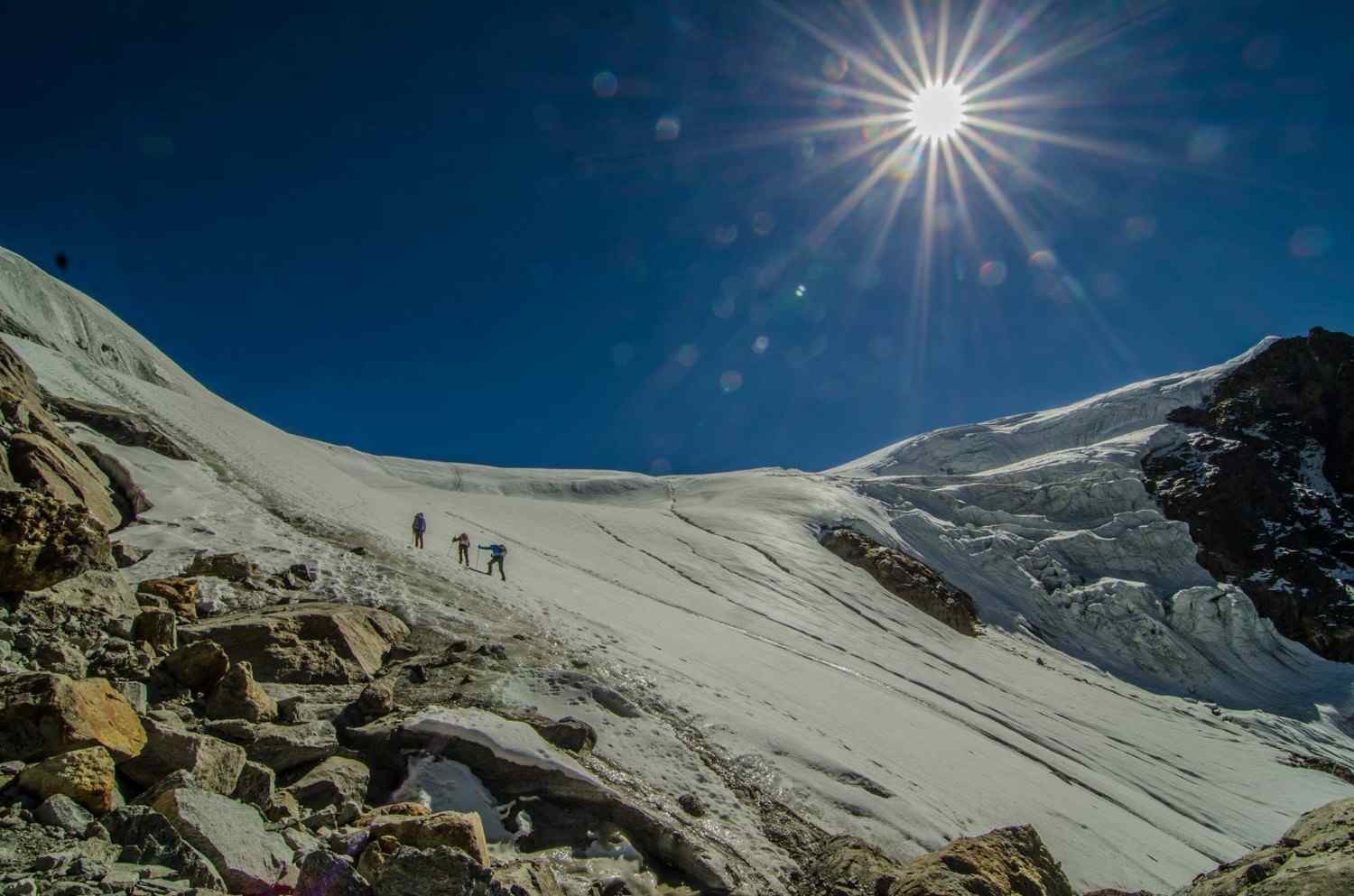
The trail crosses the Mera La Glacier at 5,400m, requiring careful footing and possibly crampons due to loose rock. After reaching Base Camp, your guide leads a climbing skills training session covering fixed ropes, ice axes, harnesses, and crampons. Overnight at a tented camp at Mera Base Camp.
Day 12
Your Mera Peak Climb truly begins today, following gentle snow slopes across the Mera Glacier toward High Camp. You will navigate a crevasse zone requiring careful use of climbing gear before reaching camp, where hot drinks and close-up views of Mera Peak, Everest, Makalu, Nuptse, and Lhotse await. Overnight at a tented camp at High Camp.
Day 13
Summit day begins before 2am to reach the top before afternoon winds set in. Following fixed ropes under your guide’s direction, the climb stays gradual and non-technical until the final 40 to 50 meters, a steep, exposed stretch requiring ropes, crampons, ice axes, and jumars. From the Mera Peak Summit, you will take in views of Everest, Kanchenjunga, Lhotse, Makalu, and Cho Oyu before descending back to Khare for a well earned rest.
Day 14
This buffer day allows adjustment for bad weather, injury, sickness, or altitude related delays that might prevent a safe summit attempt on the scheduled date. If the summit push already went smoothly, this day is skipped and the itinerary continues as planned.
Day 15
A gentler downhill trek follows the same route back through summer grazing lands and Tangnag, with noticeably easier breathing as you lose altitude, before reaching Kothe alongside the Hinku River.
Day 16
Today’s route takes a different path than the way in, climbing along the western side of the Hinku Valley through dense rhododendron and pine forest, with continued views of Mera Peak from the ridges above the river.
Day 17
A steep climb from Thuli Kharka leads to Zatrwa La Pass, rewarding you with panoramic views of Lukla village, the Hinku Valley, and Dudh Kunda, along with backdrops of Numbur Himal, Kongde, and Khumbila Peak, before descending to Lukla to celebrate your summit with the full crew.
Day 18
An early flight returns you to Kathmandu, followed by a drive back to your hotel. The rest of the day is free for relaxation, souvenir shopping, or simply enjoying the city after weeks in the mountains, closing with a farewell dinner alongside your guide and crew.
Day 19
Transfer to the airport for your flight home, closing out your Mera Peak Climbing expedition.
The Trip Cost Includes
- Experienced, licensed, English speaking trekking guide and professional Sherpa climbing guide
- Porter and full insurance for guide and porter
- Twin share accommodation at a 3-star hotel in Kathmandu, upgrade to luxury available at extra cost
- Teahouse accommodation during the trek
- Tented camp accommodation with good quality tents and kitchen utensils at Base Camp and High Camp
- All meals during the trek, with fresh seasonal fruit after dinner
- Kathmandu to Lukla flight tickets, both ways
- Climbing permit, trekking permits, and TIMS card, plus all necessary national park permits
- Full day guided city tour in Kathmandu by private vehicle
- Down jackets and sleeping bags provided upon request
- First aid medical kit
- Duffel bag, t-shirt, and trekking map
- 1 hour trekker’s massage or yoga session after trip completion
- Farewell dinner at a traditional Nepalese restaurant with ethnic music and dance
Note: exact costs for this Mera Peak Climbing Package are shared separately based on group size, since this section focuses on what is covered rather than pricing.
The Trip Cost Excludes
- International airfare to and from Kathmandu
- Nepal entry visa
- Welcome dinner
- Local SIM card
- Personal expenses like phone calls, laundry, bar bills, battery recharge, extra porters, bottled or boiled water, and showers
- Extra night accommodation in Kathmandu due to early arrival, late departure, or early return from the mountain
- Meals in the city except for breakfast and the mentioned farewell dinner
- Cost for additional side trips
- Tips for guide, climbing Sherpa, and porter
- Travel insurance covering emergency rescue and evacuation
- Personal climbing equipment
Add-ons and Options
Shape this Mera Peak Trek around your own comfort level with a few simple add-ons.
- Helicopter Buffer Option: Arrange a helicopter transfer in case of Lukla flight delays or cancellations
- Private Tent Upgrade: Enjoy your own tent instead of shared camping accommodation at Base Camp and High Camp
- Personal Climbing Gear Rental: Rent technical climbing equipment rather than bringing your own
- Extra Buffer Days: Add extra flexibility around the Lukla flight schedule
How to Customize Your Trip
Step 1: Choose your preferred departure date, including Mera Peak Climbing 2026 dates
Step 2: Enter the number of travelers
Step 3: Select your preferred add-ons
Step 4: Confirm accommodation and meal preferences
Step 5: Complete your booking
Given the technical nature of this climb, working with an experienced Mera Peak Climbing Guide team matters more here than on standard trekking packages, particularly for the summit day training and rope work.
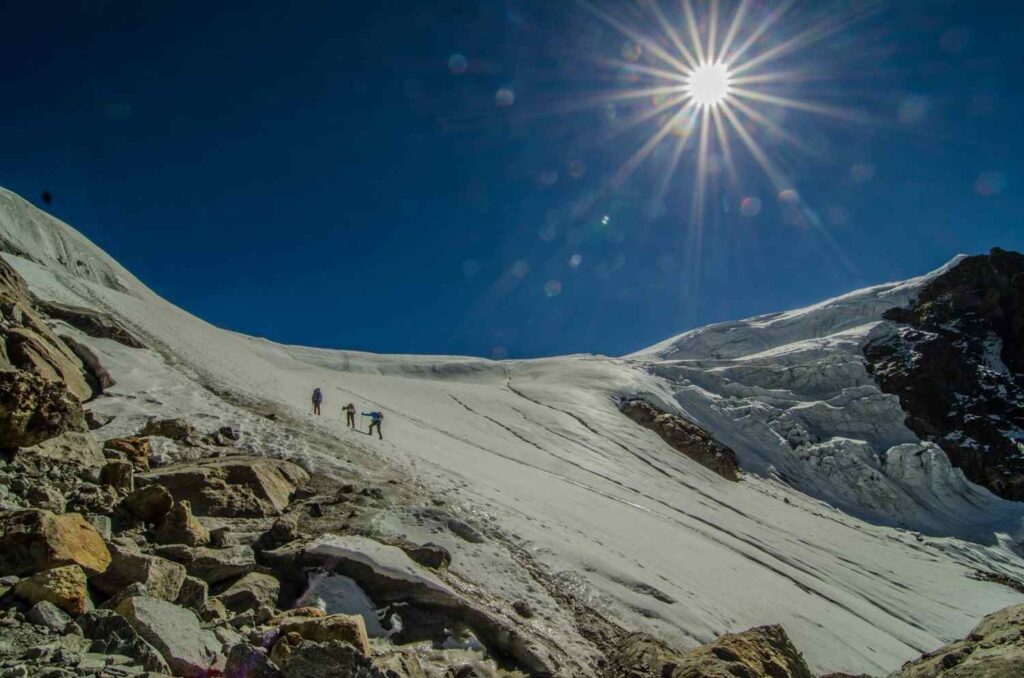
Trek Gallery



Trek Essentials
- Sun Hat
- Warm Beanie
- Sunglasses With UV Protection
- Climbing Helmet
- Base Layer
- Fleece Jacket
- Down Jacket
- Windproof Outer Shell
- Wool Or Technical Liner Gloves
- Insulated Hard-Shell Outer Gloves
- Trekking Pants
- Thermal Leggings
- Waterproof Shell Pants
- Trekking Boots
- Insulated Climbing Boots
- Wool Socks
- Crampons
- Gaiters
- Sunscreen
- Lip Balm
- Wet Wipes
- Hand Sanitizer
- Daypack
- Duffel Bag (Provided)
- Trekking Poles
- Headlamp
- Power Bank
- Water Bottle With Purification Tablets
- Climbing Harness
- Mountaineering Axe
- Ascender Or Jumar
- Fixed Rope
- Crampons
- Ice Screw