
Good to Know

Arrival City
Kathmandu

Depature City
Kathmandu

Accommodation
Tea House & Hotel

Meals
Included

Trip Grade
Moderate to Challenging

Maximum Altitude
5,545m/18,192ft

Activity
Trekking
Highlights
- Fly into Lukla, one of the most thrilling short mountain flights in the world
- Walk through Sagarmatha National Park, a UNESCO World Heritage Site
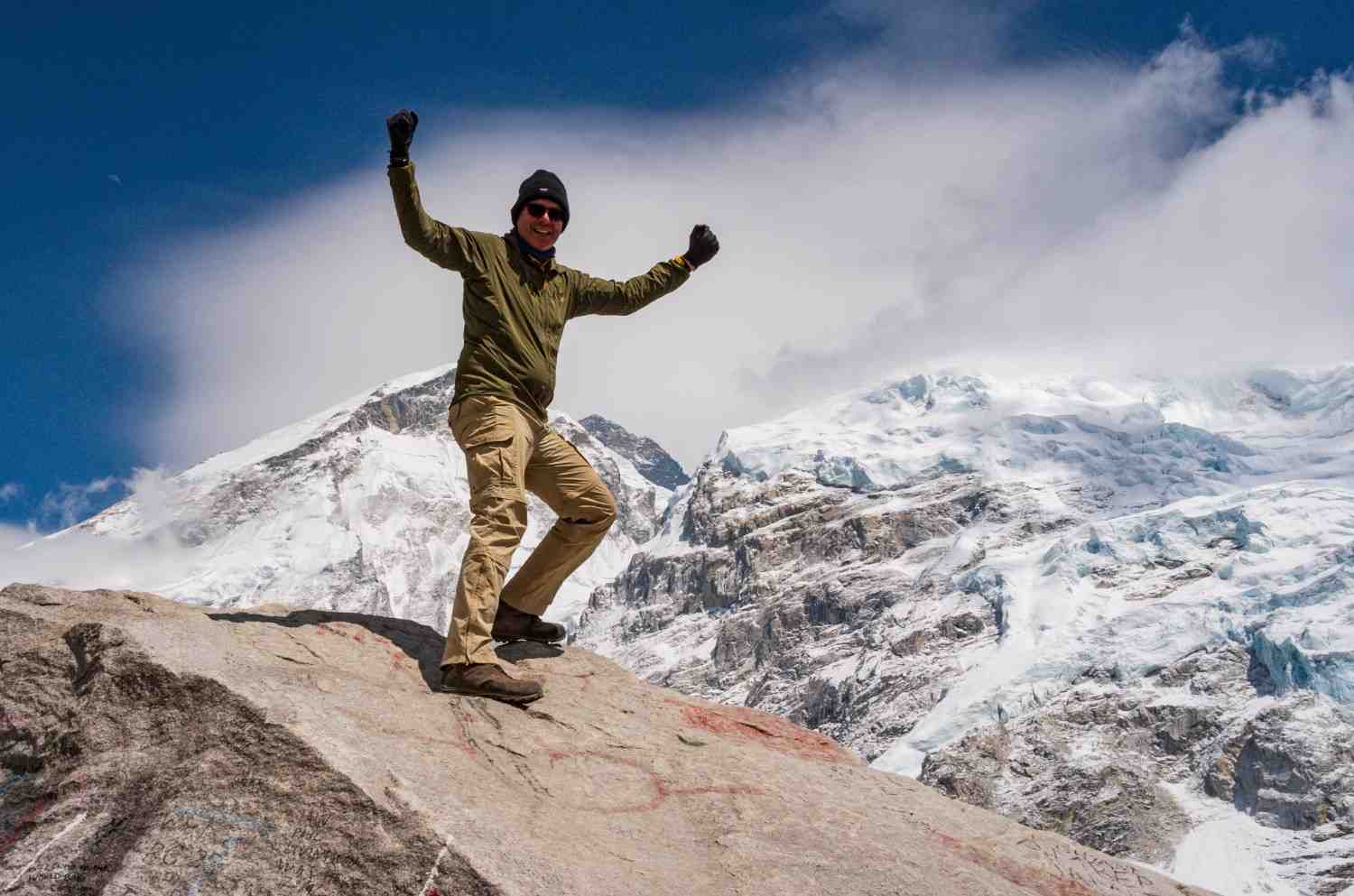
- Reach Everest Base Camp and stand close to the world’s highest mountain
- Watch sunrise from Kala Patthar, the best ground level viewpoint for Mount Everest
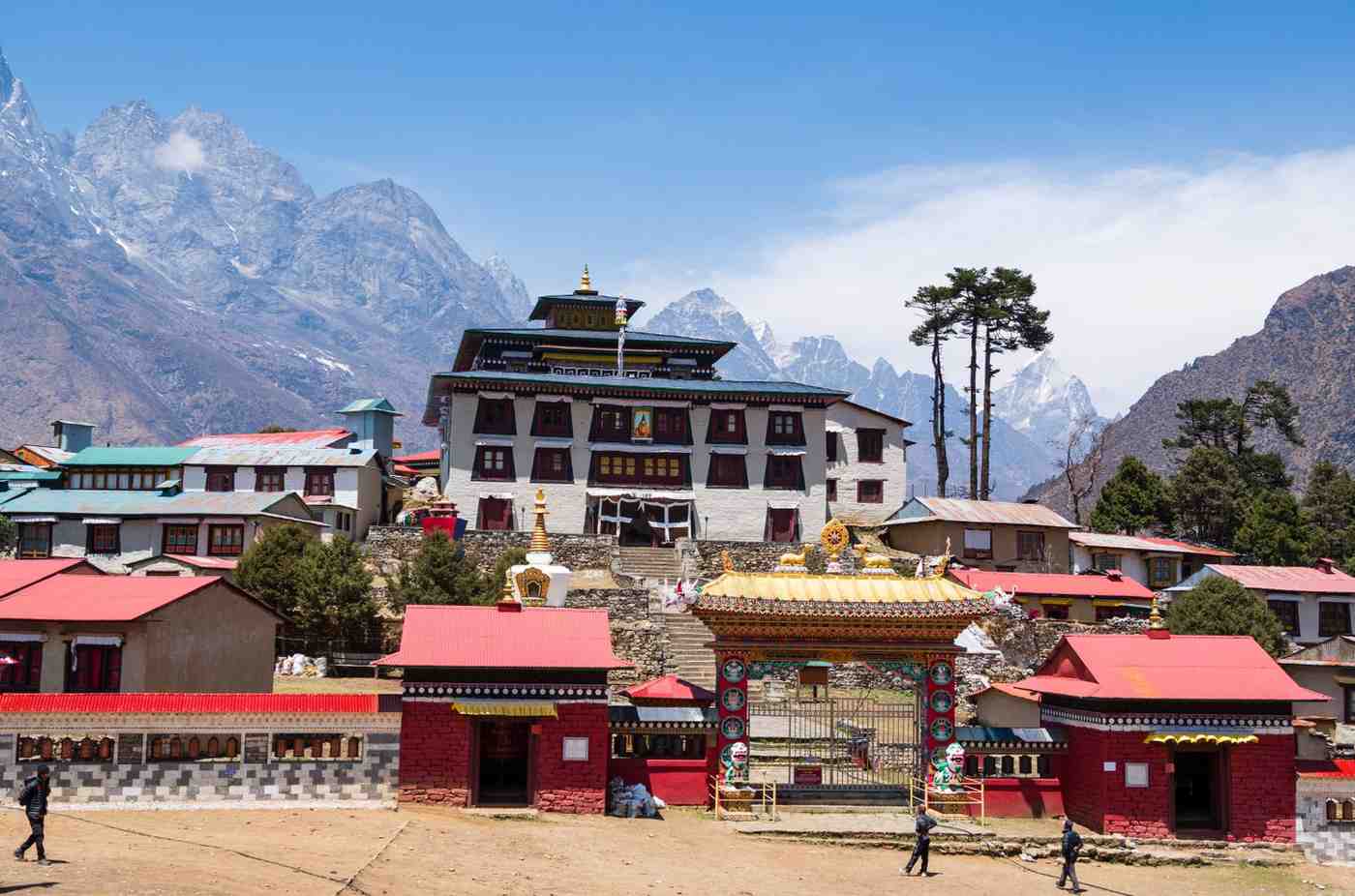
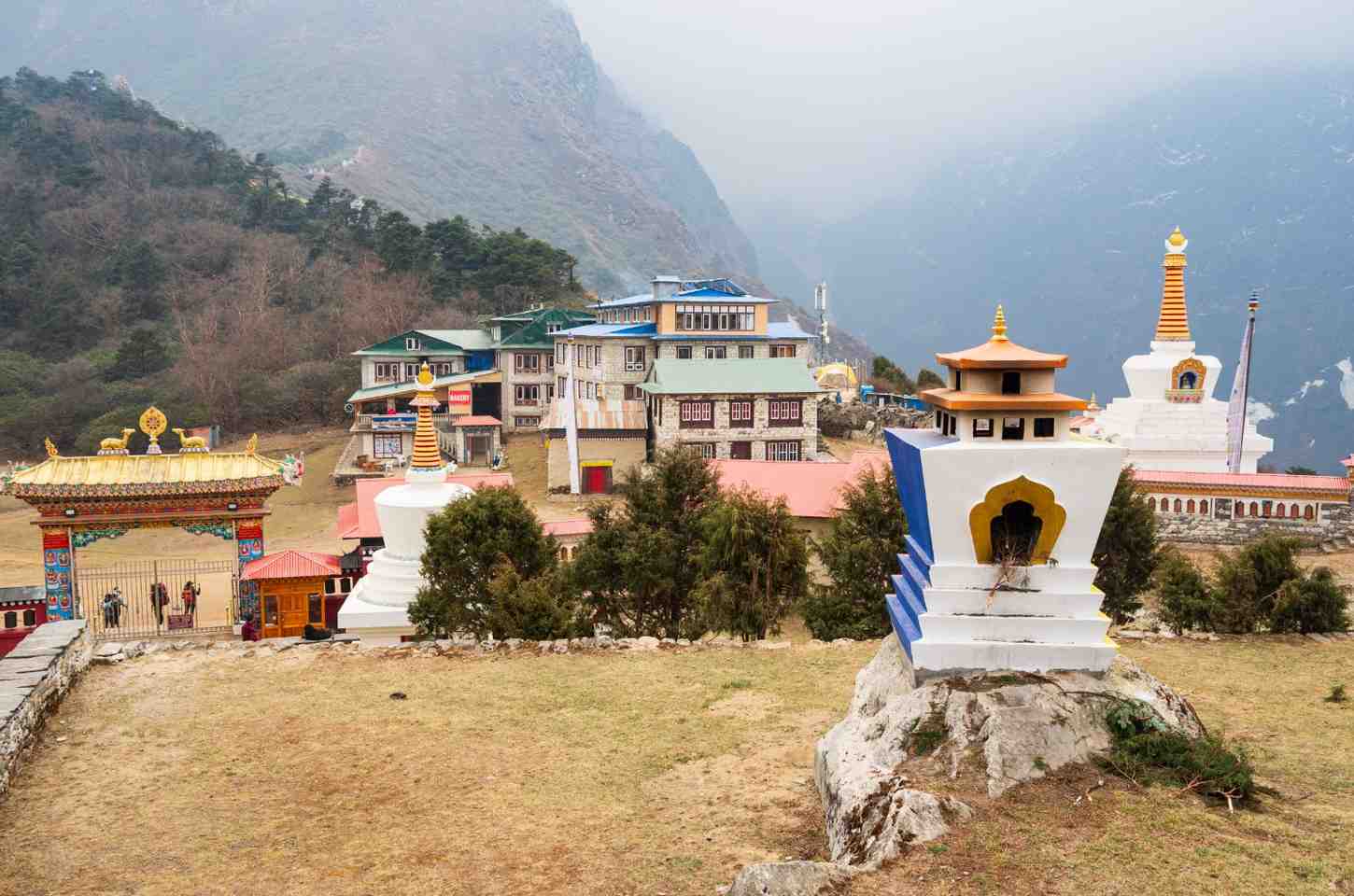
- Visit Tengboche Monastery, the largest and most important monastery in the Khumbu region
- Explore Namche Bazaar, the lively trading hub of the Sherpa community
- Cross iconic suspension bridges strung with colorful prayer flags
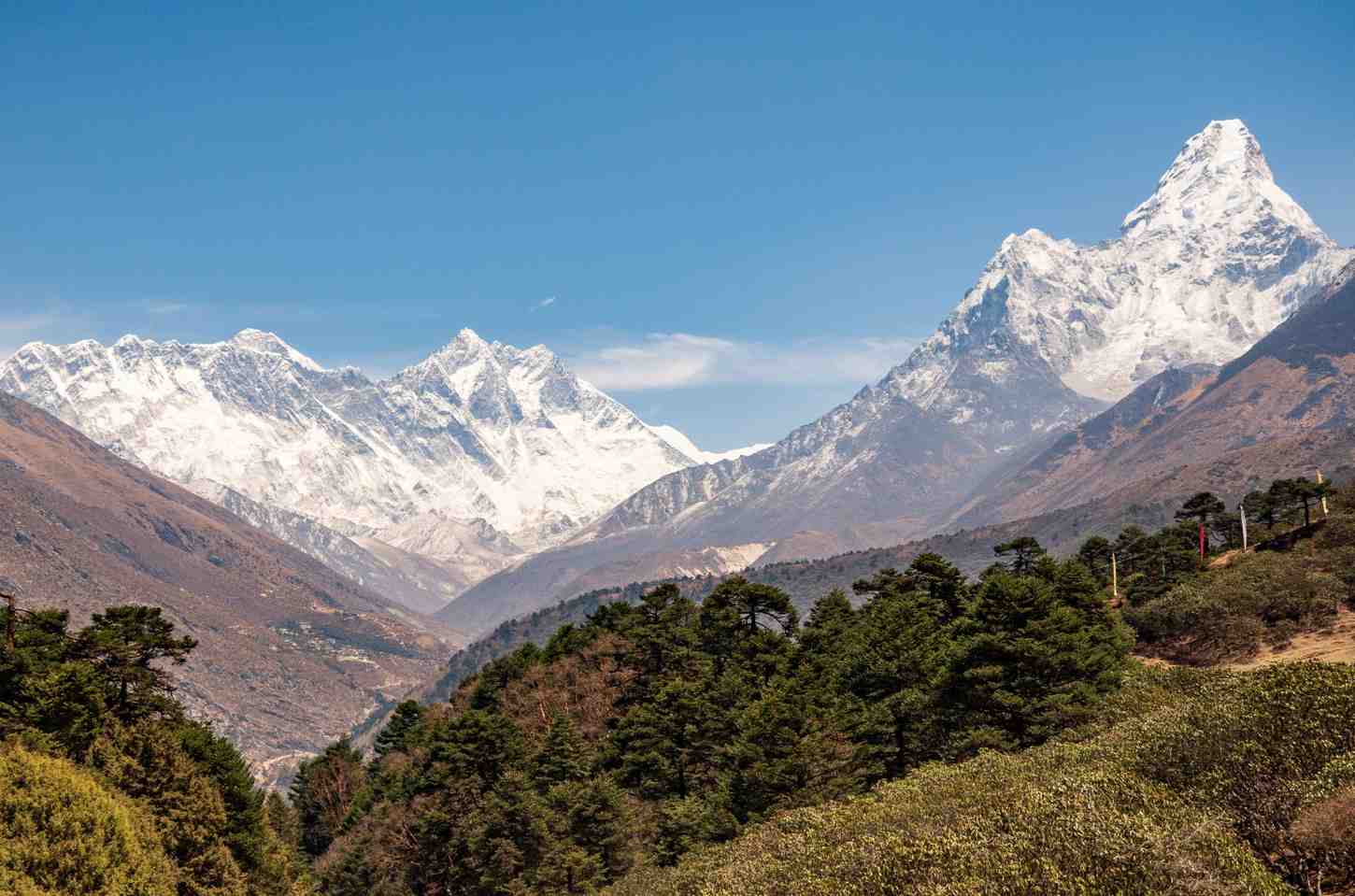
- Take in views of Lhotse, Nuptse, Ama Dablam, and other giants of the Khumbu
- One of the most complete forms of everest base camp trekking available in a single trip
Overviews
Everest Base Camp Trek, 14 Days
Standing close to the tallest mountain on the planet is not something most people ever get the chance to do. You do not need to be a professional climber to experience it though. This is exactly why the Everest Base Camp Trek remains one of the most sought after adventures in the world, drawing trekkers of many fitness levels and backgrounds each year.
Getting there does take real preparation. The altitude, the daily walking hours, and the remoteness of the Khumbu region are all genuine challenges. But with a well built itinerary and proper acclimatization days, this everest base camp trek package brings that experience within reach for most reasonably fit trekkers, not just seasoned mountaineers.
This 14 day version of the Everest Base Camp Trek gives your body enough time to adjust to the altitude gradually, reducing risk while still covering some of the most spectacular scenery in the Himalayas. You will fly into Lukla, walk through Sherpa villages, cross the Dudh Kosi valley on high suspension bridges, and eventually reach the base of Everest itself before returning to Kathmandu.
Whether this is your first major trek or you already have some Himalayan experience, this everest base camp tour is designed to give you a complete, well paced journey to one of the most iconic destinations on earth.
History of the Region
The trail you will walk today follows much of the same route Sir Edmund Hillary and Tenzing Norgay used on their way to the first successful summit of Everest in 1953. Since then, this corridor through the Khumbu has become one of the most storied stretches of trail in mountaineering history.
Sagarmatha National Park, established to protect this region, is now a UNESCO World Heritage Site, safeguarding both the fragile high altitude environment and the Sherpa communities who have called these valleys home for generations. Villages like Namche Bazaar and Tengboche grew out of trade routes connecting Nepal and Tibet, and many families here still work as guides, porters, and mountaineers.
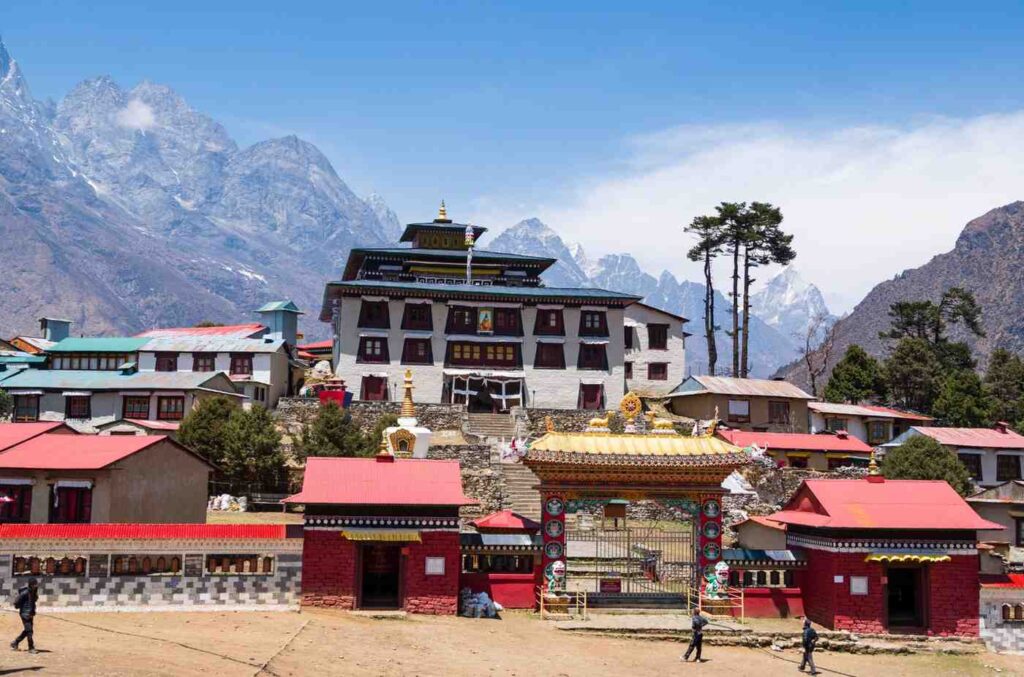
Tengboche Monastery, one of the stops on this route, holds particular significance as the largest monastery in the Khumbu region, hosting ceremonies that mountaineers have visited for blessings before major expeditions for decades.
Landscape and Culture
The route moves through a genuinely varied landscape, starting in pine and rhododendron forest near Lukla and Phakding, climbing steadily into the subalpine terrain around Namche and Tengboche, and finally reaching the stark, rocky high altitude zone near Everest Base Camp itself.
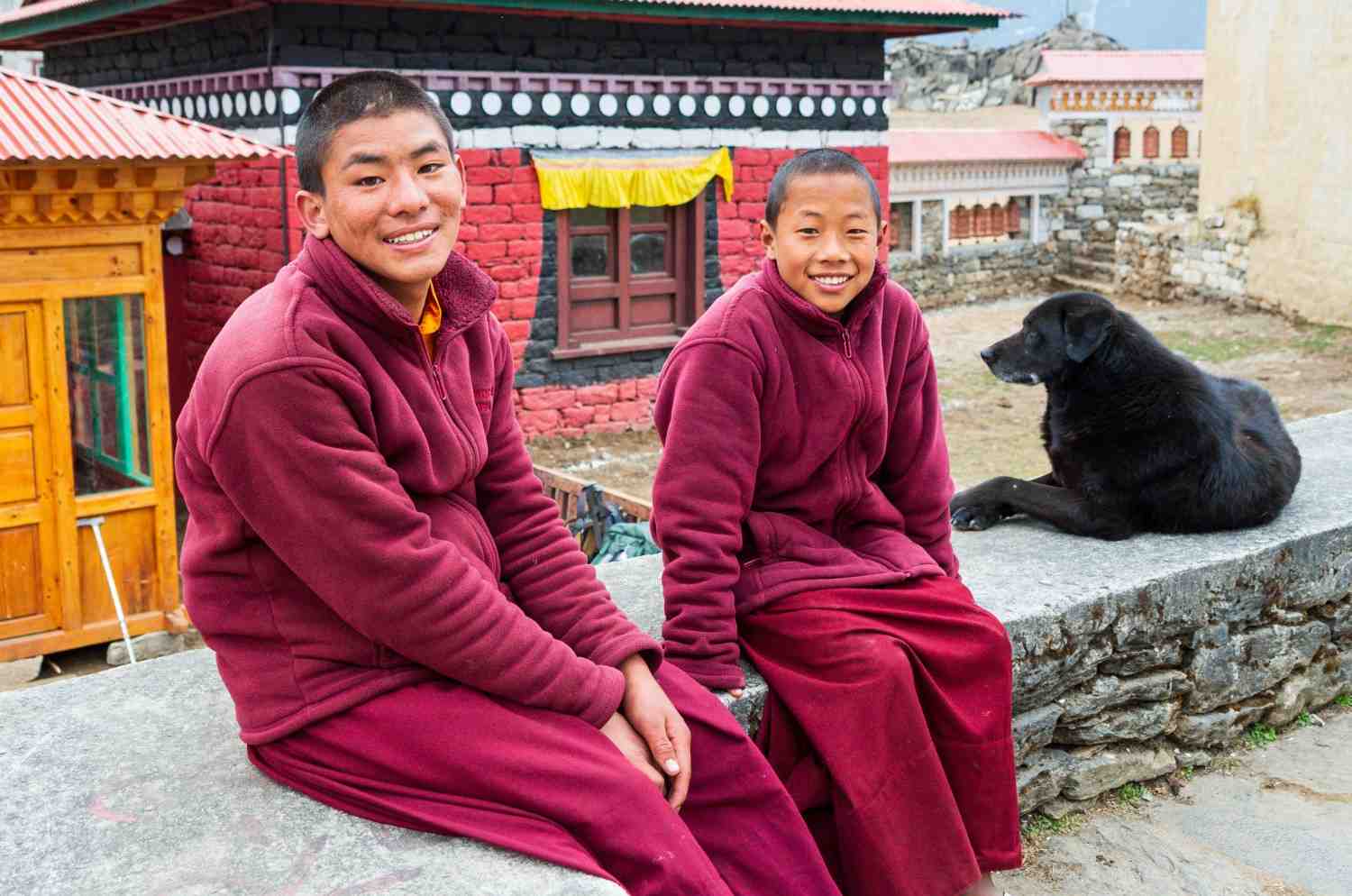
Sherpa culture is woven into every part of this trek. Prayer flags line the trail, mani stones carved with Buddhist mantras mark trail junctions, and villages like Namche Bazaar buzz with bakeries, gear shops, and a lively Saturday market. This cultural depth is part of what makes base camp trekking in nepal about far more than just reaching a destination.
Best Time for the Everest Base Camp Trek
Spring, from March to May, and autumn, from September to November, are widely considered the everest base camp trek best time, offering clear skies and the most stable weather for both trekking and mountain photography. These same months line up with the everest base camp trek best month for anyone hoping to catch Everest and its neighboring peaks free of cloud cover.
Winter trekking is possible for well prepared trekkers, with fewer crowds and crisp visibility, though temperatures at higher elevations drop significantly. Monsoon season brings rain, leeches at lower elevations, and reduced visibility, so it is generally best avoided for this route.
Weather and Everest Base Camp Height
Temperatures shift dramatically with elevation on this trek. Lower villages near Lukla and Phakding stay relatively mild, while conditions turn cold quickly as you climb toward Dingboche, Lobuche, and eventually Gorak Shep, the final stop before base camp.
Because the everest base camp height sits at 5,364m, with Kala Patthar reaching even higher at 5,545m, nights at these elevations regularly drop well below freezing, even during the warmer trekking seasons. Wind adds to the chill factor, especially during the early morning Kala Patthar sunrise hike.
Food, Water, Wifi and Accommodation
Accommodation throughout the trek is teahouse style, with simple twin share rooms and shared bathrooms common, especially at higher elevations like Lobuche and Gorak Shep. Lower villages like Namche and Phakding tend to offer more comfortable setups.
Meals lean on dal bhat, noodle soups, momos, and simple breakfast options like porridge and eggs, with Namche Bazaar in particular known for bakeries selling fresh apple pie and cinnamon rolls, a welcome treat partway through the trek.
Drinking water is available at every stop, typically boiled, so a reusable bottle with purification tablets is a smart, low waste choice. Wifi is available in most villages up to Namche and Tengboche through purchased data cards, though connectivity becomes unreliable past Dingboche and disappears almost entirely near Gorak Shep and base camp itself.
Permits
You will need a Sagarmatha National Park entry permit along with a Khumbu Pasang Lhamu Rural Municipality entry permit for this trek. Both are standard requirements for this everest base camp trek itinerary and are typically arranged by your trekking agency before departure, keeping the process simple on your end.
Outline Itinerary
Day 1
Land in Kathmandu and transfer to your hotel. Meet your guide for a trip briefing in the evening.
Day 2
An early morning drive to Ramechhap, followed by a short flight to Lukla and an easy first trekking day along the Dudh Kosi River. Overnight at a teahouse.
Day 3
Enter Sagarmatha National Park and climb steadily to the Khumbu’s main trading hub, with your first glimpse of Everest along the way. Overnight at a teahouse.
Day 4
Hike up to the Everest View Hotel for panoramic mountain views, then explore Namche’s shops and museum in the afternoon. Overnight at a teahouse.
Day 5
Descend to the river before climbing to Tengboche, home to the largest monastery in the Khumbu region. Overnight at a teahouse.
Day 6
Walk through Pangboche village and into the open Imja Valley, with Lhotse and Ama Dablam dominating the skyline. Overnight at a teahouse.
Day 7
Hike up Nagarjun Hill for wide Himalayan views before returning to Dingboche to rest. Overnight at a teahouse.
Day 8
Pass memorials honoring climbers and Sherpa who lost their lives on Everest, then continue along the Khumbu Glacier moraine. Overnight at a teahouse.
Day 9
Reach Gorak Shep, drop your bags, then continue with a light daypack to stand at Everest Base Camp before returning to Gorak Shep for the night. Overnight at a teahouse.
Day 10
An early sunrise hike to the best viewpoint of Everest on the whole route, followed by a long descent to Pheriche. Overnight at a teahouse.
Day 11
Retrace the route back through Tengboche and down to Namche, with easier breathing at the lower elevation. Overnight at a teahouse.
Day 12
Final trekking day back through familiar villages and suspension bridges to Lukla. Overnight at a teahouse.
Day 13
A return flight to Ramechhap followed by a drive back to Kathmandu, with the rest of the day free for rest or shopping in Thamel.
Day 14
Transfer to the airport for your flight home, closing out your Everest Base Camp Trek.
The Trip Cost Includes
- Guide and porter with insurance
- Kathmandu to Lukla flights, both ways
- Sagarmatha National Park permit and Khumbu Pasang Lhamu Rural Municipality permit
- Teahouse accommodation during the trek
- All meals during the trek
- Hotel accommodation in Kathmandu with breakfast
- Trekking route map and duffel bag use
The Trip Cost Excludes
- International airfare
- Nepal entry visa fee
- Travel and medical insurance, including high altitude rescue coverage
- Personal expenses like snacks, drinks, and hot showers
- Tips for guide and porter
Add-ons and Options
Shape this everest base camp trek package around your own comfort level with a few simple add-ons.
- Extra Night in Kathmandu: Add rest time before or after the trek
- Private Room Upgrade: Enjoy more privacy where available along the route
- Helicopter Return: Swap the Lukla to Kathmandu flight for a scenic helicopter ride
How to Customize Your Trip
Step 1: Choose your preferred departure date
Step 2: Enter the number of travelers
Step 3: Select your preferred add-ons
Step 4: Confirm accommodation and meal preferences
Step 5: Complete your booking
This kind of flexibility is what makes booking an everest base camp tour through a trusted agency worthwhile. Your trip gets shaped around your schedule and comfort, not a rigid, one size fits all format.
Trek Gallery



Trek Essentials
- Sun Hat
- Warm Beanie
- Sunglasses With UV Protection
- Base Layer
- Fleece Jacket
- Down Jacket
- Windproof Outer Shell
- Lightweight Gloves
- Warm Insulated Gloves
- Trekking Pants
- Thermal Leggings
- Waterproof Shell Pants
- Trekking Boots
- Wool Socks
- Camp Shoes
- Sunscreen
- Lip Balm
- Wet Wipes
- Hand Sanitizer
- Daypack
- Duffel Bag
- Dry Bags
- Trekking Poles
- Headlamp
- Power Bank
- Water Bottle With Purification Tablets