Life in the city moves fast. Deadlines, traffic, screens, and notifications all pile up, and before you know it, your mind feels as crowded as a Kathmandu street at rush hour. If you’ve been feeling drained, stressed, or stuck, the mountains might be exactly what you need.
Trekking for mental health isn’t a new idea, but it’s backed by real science and experience. It’s one of the most powerful natural ways to reset your mind and lift your mood. Here’s how.
How Trekking Improves Mental Health
Trekking works on the mind in a few different ways at once – physically, mentally, and emotionally. Below are the biggest ways time on the trail supports mental well-being.
1. Nature Has a Calming Effect on the Brain
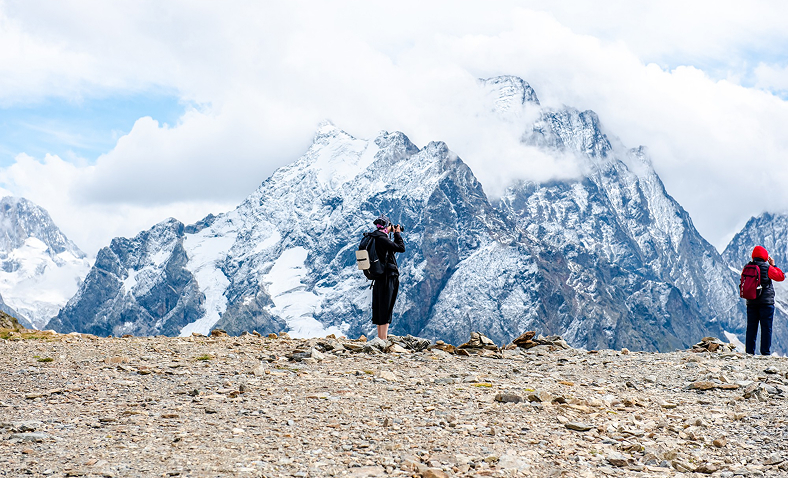
Spending time in green natural spaces lowers cortisol (the stress hormone) and quiets the part of the brain linked to anxiety and overthinking. Every step you take on a Himalayan trail surrounded by forests, rivers, and mountain air works in your favor before you realize it.
There’s no traffic noise. No emails pinging. Just birdsong, wind, and the sound of your own footsteps.
2. Walking Boosts Mood, Naturally
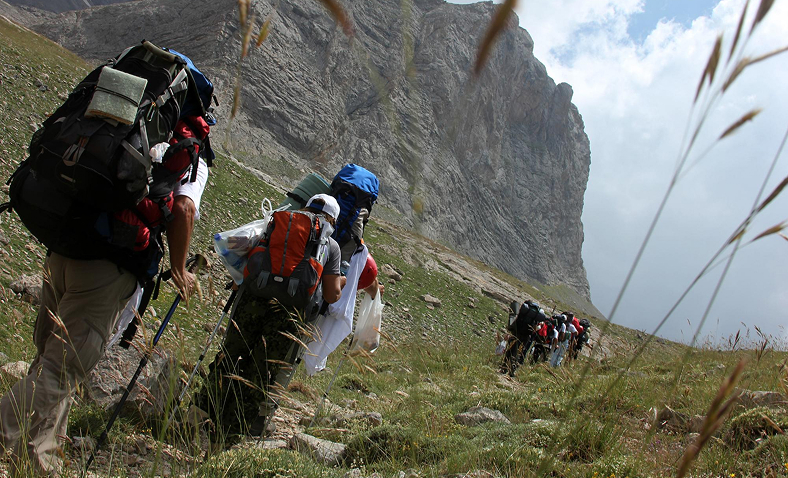
Physical movement releases endorphins, the body’s natural mood lifters. The steady, repetitive rhythm of trekking – one foot in front of the other, hour after hour – creates something close to a moving meditation. Many trekkers notice a shift in mental clarity a few hours into a trek when the noise of daily life starts to fade.
3. Disconnecting to Reconnect
Most trekking routes in Nepal – including the Annapurna Base Camp Trek and the Annapurna Circuit Trek – take you far from mobile signal and Wi-Fi. That’s not a downside. It’s a gift.
Without constant notifications pulling your attention, you’re free to actually notice things: the shape of a mountain ridge, the sound of a yak bell, a conversation with a fellow trekker. That kind of undistracted presence is rare – and deeply restorative.
4. A Sense of Achievement
There’s something quietly powerful about setting a goal – reaching a viewpoint, a pass, or a base camp – and getting there one step at a time. Trekking builds resilience. You learn discomfort is temporary, that you’re capable of more than you thought, and that steady effort gets you where you want to go. That mindset doesn’t stay on the trail; it comes home with you.
5. Space for Self-Reflection
Long walks give your mind room to wander. Away from daily distractions, many trekkers think more clearly about their lives, priorities, and what matters to them. Some call it a reset. Others call it therapy without a therapist. Whatever you call it, the mountains put things into perspective.
Trekking vs. Other Forms of Stress Relief
Yoga, therapy, and meditation all have their place, and trekking doesn’t replace them. But it adds something they can’t: movement, altitude, and total immersion in nature all at once. If you’re looking for a more structured mind-body practice alongside your trek, our Yoga Treks in Nepal combine both.
Which Trek Is Right for a Mental Reset?
Not every trek needs to be a high-altitude challenge to benefit your mind. Here’s a quick guide:
- Short and scenic: Ideal if you want a few days away without committing to weeks on the trail.
- Annapurna Base Camp Trek, 14 Days: A well-balanced mix of forest trails, mountain views, and a strong sense of achievement at the base camp.
- Annapurna Circuit Trek, 15 Days: Longer, more varied terrain good if you want extended time to properly disconnect.
Whatever your pace or experience level, there’s a trail that fits your mind’s needs right now.
Ready to Refresh Your Mind?
Whether you’re looking for a short, scenic trek or a longer journey deep into the Himalayas, New Summit Treks can help you find the right route, at the right pace, with experienced local guides who know these mountains well.
Ready to take the first step? Explore our trekking packages or get in touch to start planning your journey.