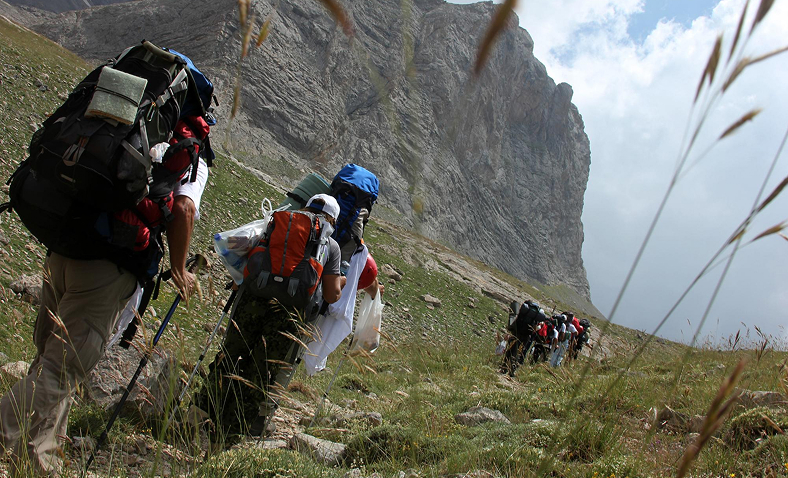
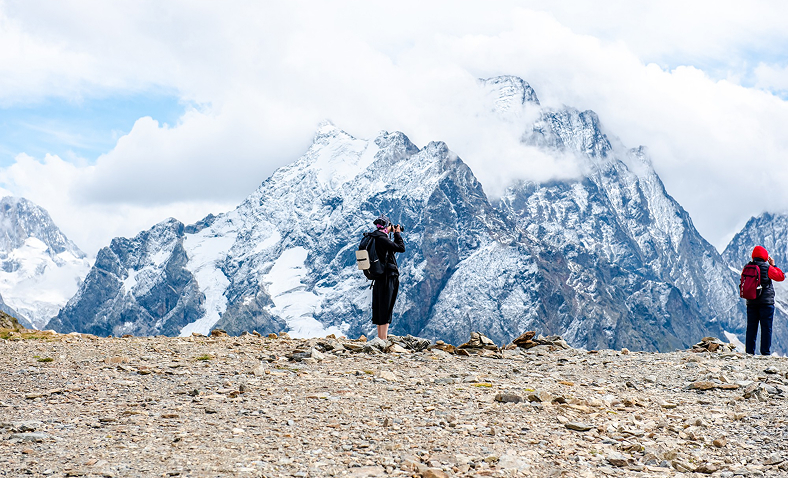
So you’ve decided to take on your first Himalayan trek. Maybe it’s the Annapurna Base Camp, maybe it’s something shorter -either way, that decision alone takes courage. The good news is that with the right preparation, a first-time trek doesn’t have to feel overwhelming. It can be one of the most rewarding things you ever do.
Here’s a practical, honest guide to getting ready -body and mind -before you hit the trail.
Why Preparation Matters More Than Fitness Level Alone
A lot of first-time trekkers assume trekking is purely about physical fitness. It helps, but it’s not the whole picture. Altitude, unpredictable weather, long walking days, and being far from familiar comforts all test your mind just as much as your legs. The trekkers who struggle most aren’t always the least fit -they’re often the least prepared for what the experience actually feels like.
Physical Preparation
Getting your body ready doesn’t mean training like an athlete – it means building steady, trail-specific fitness in the weeks before you go. A few consistent habits go a long way.
1. Build a Walking Routine Early
Start walking regularly at least 4–6 weeks before your trek, gradually increasing distance and adding hills or stairs where you can. Consistency matters more than intensity -daily 30–45 minute walks build far more useful endurance than occasional intense workouts.
2. Train with a Loaded Backpack
Your daypack will carry water, snacks, layers, and a camera, so practice walking with some weight on your back. This helps your body adjust to the extra load and prevents surprises on trek day one.
3. Strengthen Your Legs and Core
Simple bodyweight exercises -squats, lunges, step-ups, and planks -done two to three times a week can noticeably improve your stamina on steep ascents and descents.
4. Break in Your Boots
Never wear brand-new boots on a trek. Wear them on your training walks so your feet are already used to them before you’re several days from the nearest town.
Mental Preparation
Trekking tests your headspace as much as your legs. Getting your mindset right before you leave makes the hard moments on the trail much easier to handle.
1. Expect Discomfort, and Accept It Early
Cold mornings, tired legs, basic teahouse accommodation -these are part of the experience, not signs that something’s gone wrong. Trekkers who mentally accept discomfort in advance tend to enjoy the trip far more than those expecting total comfort.
2. Set Realistic Expectations for Pace
Your guide will likely set a slower pace than you expect, especially at altitude. This isn’t a lack of fitness on your part -it’s how the body adjusts safely to thinner air. Trying to rush ahead is one of the most common first-timer mistakes.
3. Practice Being Without Constant Connectivity
Much of the Himalayas has limited or no phone signal. If you’re used to being constantly reachable, spend a few days before your trek intentionally limiting screen time so the disconnection doesn’t feel jarring once you’re on the trail.
4.Talk to Someone Who’s Done It
Hearing directly from someone who has completed the trek -what surprised them, what they wish they’d known -can mentally prepare you far better than any packing list.
Understanding Altitude and How to Handle It
Altitude is the one variable no amount of gym training fully prepares you for. Knowing what to expect – and how to respond – makes it far less intimidating.
What Altitude Sickness Feels Like
Mild symptoms like headache, fatigue, or shortness of breath are common above 2,500–3,000 meters and usually improve with proper acclimatization. Knowing this in advance stops it from feeling alarming if it happens.
The Golden Rule: Climb Slowly
“Climb high, sleep low” is a well-known trekking principle – ascending gradually and allowing rest days at higher altitudes gives your body time to adjust properly.
Stay Hydrated and Fuel Properly
Altitude increases your body’s water needs. Drinking regularly and eating enough, even when your appetite drops, make a real difference in how you feel each day.
Listen to Your Guide
Experienced guides are trained to recognize early signs of altitude sickness. If they suggest slowing down or descending, it’s worth taking seriously rather than pushing through.
What to Pack for Your First Trek
You don’t need the most expensive gear on the trail – you need the right basics, packed thoughtfully. Here’s what actually matters.
Clothing Layers
Temperatures can shift dramatically between morning and evening and between lower and higher elevations. Packing in layers -base, insulating, and waterproof -lets you adjust as conditions change throughout the day.
Footwear and Foot Care
Sturdy, broken-in trekking boots, good wool socks, and blister plasters are non-negotiable. Foot problems are one of the most common reasons a trek becomes miserable.
Essentials Often Forgotten
A headlamp, a reusable water bottle or hydration system, sunscreen and sunglasses for high-altitude sun exposure, and a basic first-aid kit are easy to overlook but hard to do without.
Frequently Asked Questions
How fit do I need to be for my first Himalayan trek?
You don’t need to be an athlete, but a baseline of regular walking fitness makes a big difference. Most moderate treks are achievable for anyone in reasonably good health who prepares in the weeks beforehand.
How many weeks should I train before a Himalayan trek?
Four to six weeks of consistent walking and light strength training is generally enough for most moderate treks, though longer preparation is better for higher-altitude or longer routes.
Is altitude sickness dangerous?
Mild altitude sickness is common and usually manageable with proper pacing and hydration. Severe cases are rare when trekkers ascend gradually and follow their guide’s advice, but it’s always taken seriously.
What’s the biggest mistake first-time trekkers make?
Rushing the pace, especially at altitude. Going too fast increases the risk of altitude sickness and often makes the whole experience feel more exhausting than enjoyable.
Do I need previous trekking experience to attempt a Himalayan trek?
No. Many first-time trekkers successfully complete routes like Annapurna Base Camp with no prior trekking experience, as long as they prepare physically and go with an experienced guide.
Ready for Your First Himalayan Adventure?
Every experienced trekker was once a first-timer. With the right preparation and the right guide by your side, your first Himalayan trek can be the start of a lifelong love for the mountains.
Ready to take the first step? Explore our trekking packages or get in touch to start planning your journey.